Best time to visit Banff for easy exploring

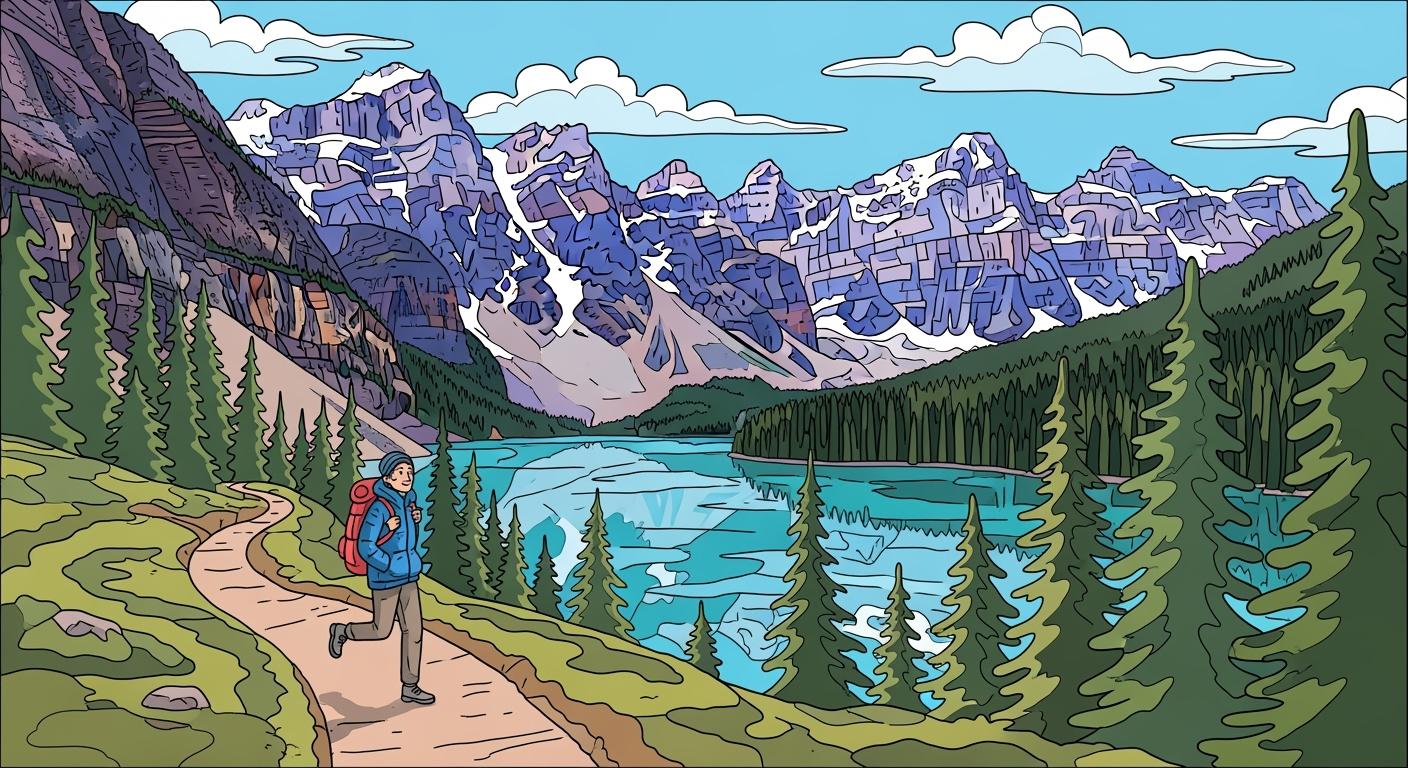
If you want the best time for easy exploring, choose June, July, or August. These months bring warm weather and open trails. You can expect average highs between 20°C and 24°C, as shown below:
Month | Average Temperature (°C) |
|---|---|
June | 20-23 |
July | 24 |
August | 24 |
Ready to find out why this is the best time to go to banff? Let’s dive in.
Key Takeaways
Visit Banff from June to August for the best weather and open trails. Enjoy average temperatures between 20°C and 24°C.
June offers fewer crowds and blooming wildflowers, making it perfect for peaceful exploration. July is the busiest month with all attractions open.
Pack layers and a light rain jacket. Prepare for changing weather and enjoy longer daylight hours for more adventure time.
Best time to visit Banff
You might wonder why everyone says summer is the best time for easy exploring in Banff. After reading the introduction, you already know June, July, and August stand out. Let’s break down why these months make exploring Banff a breeze.
Why summer is ideal
When you visit Banff in summer, you get the best mix of warm weather, open trails, and easy access to all the sights. The snow has melted from most hiking paths, so you can walk or bike without worrying about slippery patches. Roads to popular spots like Lake Louise and Moraine Lake are open, which means you can reach those postcard-perfect views with little hassle.
Tip: Dress in layers! Even though daytime temperatures can reach 25-30°C (77-86°F) in the valleys, evenings cool down fast, especially at higher elevations. Afternoon thunderstorms can pop up quickly, so pack a light rain jacket just in case.
You’ll also find that summer brings longer daylight hours. You can start your adventures early and still have time to relax in the evening. This season gives you the freedom to explore at your own pace.
June to August highlights
Let’s look at what makes each summer month special for exploring Banff:
Month | Reason for Exploration |
|---|---|
June | Trails are open and weather is pleasant. |
July | Busiest month, favorable conditions. |
August | Busiest month, favorable conditions. |
June: You’ll see wildflowers blooming along the trails. The crowds are smaller compared to July and August, so you can enjoy peaceful moments at the lakes and viewpoints.
July: This is the best month to visit Banff if you want everything open and buzzing with activity. All the main attractions are accessible, and you can try almost any outdoor activity, from canoeing to easy hikes.
August: The weather stays warm, and the days are still long. You’ll notice the park feels lively, with lots of events and festivals. It’s a great time to join guided tours or explore on your own.
If you want the best time for easy exploring, summer is your answer. You get reliable weather, open roads, and plenty of options for fun. Banff National Park shines brightest during this season, making it the best month to visit Banff for stress-free adventures.
What to expect in summer
You already know that summer is the best time for easy exploring in Banff. Now, let’s break down what you’ll actually experience during this season. From the weather to how busy it gets, here’s what you need to know before you pack your bags.
Weather and trail conditions
Banff’s summer weather feels just right for outdoor adventures. You can expect mild mornings, warm afternoons, and cool evenings. Rain showers pop up sometimes, but they usually don’t last long. Here’s a quick look at the typical weather and what you’ll see on the trails:
Month | Temperature Range (°C) | Weather Conditions |
|---|---|---|
June | Wildflowers emerging, thinner crowds | |
July | 24 | Peak month, maximum wildlife activity |
August | 24 | Peak month, maximum wildlife activity |
Early Sept | Similar to June | Elk rut begins, thinner crowds |
Trails in Banff open up as soon as the snow melts. By June, you’ll find most valley trails clear and bursting with wildflowers. July and August bring the best time for hiking, biking, and wildlife spotting. Trails stay snow-free, and you can reach those famous alpine passes without any trouble.
Even remote lakes like Moraine Lake and Lake Louise are easy to get to. Road closures rarely happen in summer, so you can plan your days with confidence.
Tip: If you want to see wildflowers at their peak, aim for late June or early July. You’ll catch the best displays along the valley bottoms and meadows.
Accessibility of attractions
You’ll love how easy it is to visit Banff’s top attractions in summer. Most sites operate at full capacity, and you won’t run into many closures. Here’s a quick guide to what’s open:
Attraction | Operational Status | Notes |
|---|---|---|
Banff Gondola | Reduced hours during shoulder season | |
Lake Minnewanka Cruise | Operates daily through October | Reduced hours during shoulder season |
Columbia Icefield Ice Explorer | Tours conclude in mid-October | Access issues due to snow conditions |
You can ride the Banff Gondola any day you like, or hop on a Lake Minnewanka cruise for a relaxing afternoon. The Columbia Icefield Ice Explorer runs all summer, so you can step onto a glacier without worrying about snow blocking the way. Most roads stay open, and shuttle services make it simple to reach popular spots.
If you want the ideal Banff travel weather and easy access, summer is your season.
Crowds and pricing
Banff gets busy in summer, especially in July and August. You’ll notice more people at the lakes, viewpoints, and on the main streets. June feels a bit quieter, so you might prefer it if you want fewer crowds. Here’s what you can expect:
June: Thinner crowds, easier parking, and shorter lines.
July & August: Peak season, maximum crowds, and lively atmosphere.
Hotels and activities cost more during the summer months. Prices for a standard hotel room can range from $250 to $500 per night in July and August. If you visit during the shoulder seasons, like May or September, you’ll find better deals—sometimes under $200 per night.
Booking early and choosing midweek stays can help you save money.
Note: If you want the best time for exploring without breaking the bank, consider visiting in early June or late August. You’ll still get great weather, but with fewer people and lower prices.
Banff National Park shines brightest in summer. You get open trails, easy access to attractions, and plenty of sunshine. Just remember to plan ahead, especially if you want to visit during the busiest weeks.
Tips for easy exploring
You’re almost ready to make the most of your trip to Banff. This season brings the best time for easy adventures, but a few smart tips will help you explore Banff National Park with less stress.
Let’s get you prepared for summer exploring.
Packing essentials
Packing for Banff in summer feels simple when you know what to bring. The weather changes fast, so you want to stay comfortable and safe. Here’s what you should pack:
Dress in functional layers. You can add or remove clothing as the temperature shifts.
Choose sturdy, comfortable footwear. You’ll walk a lot, even on easy trails.
Carry a lightweight jacket. Evenings get cool, especially after sunset.
Opt for a crossbody bag or secure backpack. You’ll need your hands free for photos and snacks.
Wear sunglasses. The mountain glare can surprise you.
Tip: Pack sunscreen and a refillable water bottle. You’ll spend hours outside during this season.
Getting around Banff
Exploring Banff in summer is easy with the right transportation. You have several options:
Roam Transit buses take you to Lake Louise, Moraine Lake, and other top spots.
Moraine Lake Bus Company offers shuttles with stops at Lake Louise.
Radventures Tour runs sunrise trips to both lakes.
Moraine Lake Big Bus connects Lake Louise and Moraine Lake with an open-top ride.
Hop On Banff Bus stops at Johnston Canyon and Lake Louise.
Discover Banff Tours offers guided trips with set departure times.
Parking at Lake Louise fills up fast. Shuttle services like Roam Route 8X can sell out during peak summer months. Arrive early or visit in the evening for easier access.
Top activities
You’ll find plenty of easy activities in Banff during the summer season. Try these favorites:
Walk the lakeshore at Lake Louise or Moraine Lake.
Ride the Banff Gondola for mountain views.
Cruise Lake Minnewanka for a relaxing afternoon.
Stroll through Banff town and visit local shops.
Spot wildlife along open trails.
This season gives you the best time to enjoy Banff’s highlights without obstacles. You can explore, relax, and soak up the scenery.
Other times to visit Banff
You might wonder if you can enjoy Banff outside the busy summer months. May and September offer a quieter experience, and you’ll find unique moments in winter and the shoulder seasons. Let’s break down what you can expect.
May and September
May brings a taste of spring to Banff. You’ll see fewer crowds and lower hotel costs. Some trails stay snow-covered, and Moraine Lake Road doesn’t open until late May. September feels like a hidden gem. You get excellent weather, autumn colors, and a drop in prices after Labor Day.
Hiking stays easy early in the month, but snow can close some trails by mid-October.
Month | Average Temperature (°C) | Accessibility Notes | Hotel Costs (CAD) |
|---|---|---|---|
May | 12-16 | Snow lingers at high elevations; some trails closed; Moraine Lake Road closed until late May. | 85-125 |
September | 14-18 | Great weather; autumn colors; some trails may close by mid-October. | 30-40% drop after Labor Day |
Tip: If you love autumn scenery, September is your best bet. You’ll catch golden larches and crisp air.
Winter and shoulder seasons
Winter in Banff transforms the landscape. You’ll need warm clothing and winter gear. Pathways can get icy, so you must walk carefully. Some attractions stay open, but snow limits access to many outdoor spots. Indoor areas like the Banff Gondola offer elevator access, but not all outdoor sections are easy to reach.
Winter activities include snow sports, festive events, and nighttime light shows.
Aspect | Description |
|---|---|
Cold Temperatures | Warm clothing and winter gear are essential. |
Icy Pathways | Foot traffic areas may be icy; caution is advised. |
Accessibility | Indoor areas have elevator access; some outdoor sections not fully accessible. |
Activities Available | Snow sports, dining, light shows, northern lights. |
You can visit Banff National Park in spring or autumn for fewer crowds and lower costs. Shoulder seasons offer reasonable weather, but attraction hours vary.
Pros and cons
Let’s compare the pros and cons of visiting Banff in different seasons:
Season | Pros | Cons |
|---|---|---|
May | Lower hotel costs, less crowded. | Many trails snow-covered, ice on lakes. |
September | Excellent weather, autumn colors, lower prices. | Some trails may close by mid-October. |
Winter | Great for snow sports, northern lights, big drop in hotel rates. | Cold temperatures, limited access to attractions. |
Shoulder | Reduced crowds and costs, reasonable weather. | Attraction hours and accessibility vary. |
December and January bring peak snowfall and festive fun.
Lake Louise shines with glacial waters in winter.
Icefields Parkway offers snowy mountain views.
You can explore Banff in any season, but summer remains the easiest for stress-free adventures.
You get the easiest exploring in Banff from June to August.
Lakes and trails stay open.
Daylight lasts longer for adventures.
June brings fewer crowds and lower hotel rates.
Plan your trip during these months. Use the tips above for a smooth, hassle-free visit.
FAQ
Curious about planning your Banff trip? Here are answers to some common questions to help you get started.
What is the best way to avoid crowds in Banff during summer?
Try visiting early in the morning or later in the evening. Weekdays usually feel less crowded than weekends. Book shuttles and activities ahead of time.
Do I need a park pass to visit Banff?
Yes, you need a Parks Canada pass for entry. You can buy it online or at the park gates. Keep it visible on your dashboard.
Can I swim in Banff’s lakes during summer?
You can swim, but the water stays very cold, even in July and August. Most people prefer to paddle or relax by the shore instead.
See Also
Optimize Your Grand Canyon Experience By Timing It Right
Ideal Seasons for Affordable Travel to Scottsdale
Discover Iceland: When Is the Best Time to Go
