Maximize Your Grand Canyon Visit with Perfect Timing

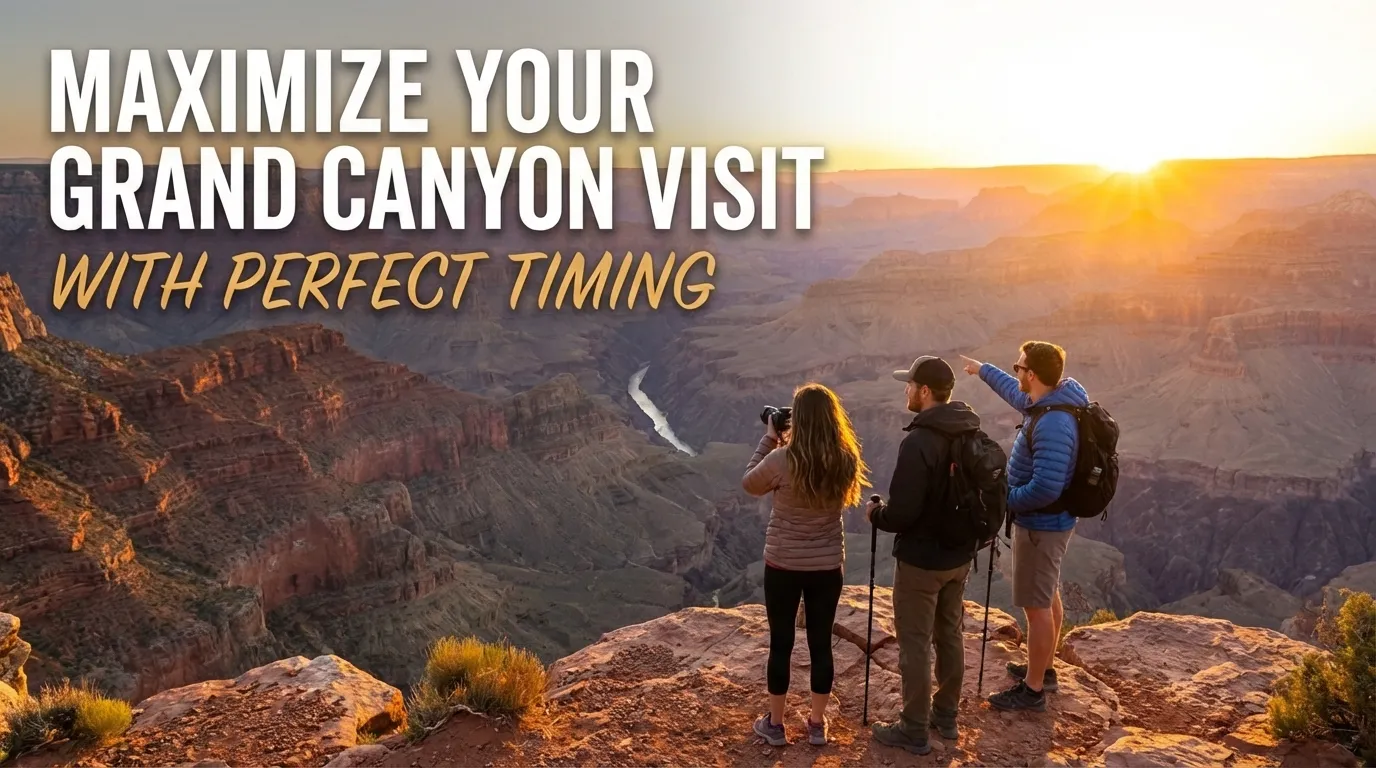
Ever wondered when the best time to visit the Grand Canyon is? I’ve found that spring and fall offer the perfect blend of mild weather and fewer crowds. During these seasons, temperatures range from a comfortable 75-90°F, making it ideal for hiking and exploring. The Grand Canyon National Park transforms into a serene escape, away from the bustling summer crowds.
When planning your Grand Canyon adventure, whether it's hiking, camping, or just enjoying the scenery, timing your visit is key. Think about what matters most to you – perhaps cooler temperatures, stunning fall colors, or traveling on a budget.
Aligning your trip with these preferences can significantly elevate your overall experience.
Best Time to Visit Grand Canyon
Choosing the right time to visit the Grand Canyon can make your trip unforgettable. Each season offers unique experiences, so let's dive into what each has to offer.
Spring (March to May)
Spring is often considered the best time to visit the Grand Canyon. The weather is mild, with temperatures ranging from 75-90°F. This makes it the best time of year for hiking and exploring the vast landscapes without the intense heat of summer.
Weather conditions
In spring, the air feels crisp and refreshing. You can enjoy the vibrant colors of blooming wildflowers. The moderate temperatures make outdoor activities comfortable and enjoyable.
Crowd levels
Spring attracts fewer visitors compared to the peak season of summer. This makes it the best time of year to avoid crowds. You can explore the trails and viewpoints without feeling rushed or crowded.
Activities available
Spring offers a variety of activities. Hiking, camping, and photography are popular choices. The longer daylight hours allow for extended exploration of the Grand Canyon National Park.
Fall (September to November)
Fall is another fantastic time to visit the Grand Canyon. The weather cools down after the summer heat, providing a pleasant atmosphere for sightseeing.
Weather conditions
Temperatures in fall are comfortable, making it the best time of year for sightseeing. The cooler weather is perfect for outdoor adventures, and the changing foliage adds a splash of color to the scenery.
Crowd levels
Fall sees fewer tourists compared to the summer months. This means you can enjoy a more peaceful experience, with less waiting time at popular spots.
Activities available
Fall is ideal for hiking and exploring the North Rim, which remains open until mid-October. The serene environment allows for a more intimate connection with nature.
Summer (June to August)
Summer is the peak season at the Grand Canyon. While it offers its own set of attractions, it comes with challenges.
Weather conditions
Summer months bring high temperatures, often exceeding 100°F. The heat can be intense, especially during midday, so it's essential to stay hydrated and take breaks.
Crowd levels
Summer is the busiest time of year. The South Rim, in particular, gets crowded with tourists. If you prefer solitude, this might not be the best time to visit.
Activities available
Despite the crowds, summer offers a range of activities. Rafting on the Colorado River and guided tours are popular. However, it's crucial to plan ahead and book accommodations early.
Winter (December to February)
Winter at the Grand Canyon offers a unique and tranquil experience. I love visiting during this time because it feels like I have the park almost to myself. The serene beauty of the snow-dusted canyon is something you won't forget.
Weather conditions
Winter brings cooler temperatures, often ranging from 30°F to 50°F. Snowfall is common, especially on the North Rim, creating a picturesque landscape. The South Rim remains open year-round, but be prepared for icy conditions. Dressing in layers is essential to stay warm and comfortable.
Crowd levels
Winter months are the least crowded times at the Grand Canyon National Park. Fewer tourists mean you can explore at your own pace without the hustle and bustle of summer months. This quieter atmosphere allows for a more intimate connection with nature.
Activities available
Despite the cold, winter offers plenty of activities. Hiking trails remain open, though some may require crampons or snowshoes. Photography enthusiasts will find the snow-covered vistas breathtaking.
If you're into stargazing, winter nights provide clear skies for an unforgettable celestial show.
Here's a quick comparison of what each season offers:
Season | Temperature Range | Crowd Levels | Activities Available |
|---|---|---|---|
Spring | 75-90°F | Moderate | Hiking, camping, photography |
Summer | 100°F+ | High | Rafting, guided tours |
Fall | Comfortable | Low | Hiking, exploring North Rim |
Winter | 30-50°F | Low | Hiking, photography, stargazing |
Winter might not be the best time to visit the Grand Canyon for everyone, but if you enjoy solitude and stunning winter landscapes, it's worth considering. Just remember to check weather conditions and park alerts before your trip.
What to Bring
Packing for a trip to the Grand Canyon National Park can feel overwhelming, but with the right gear, you'll be ready for anything. Having the proper gear is key to a safer and more enjoyable trip, no matter the season.
Essential Gear
When I pack for the Grand Canyon, I always start with the essentials. A sturdy backpack is a must-have to carry all your gear comfortably. Don't forget a reusable water bottle or hydration system.
Staying hydrated is crucial, especially in the dry desert climate. Sunscreen and a wide-brimmed hat protect against the intense sun, while sunglasses shield your eyes from glare.
A map or GPS device helps navigate the vast trails, ensuring you don't lose your way. Lastly, a first-aid kit is vital for any minor injuries or emergencies.
Seasonal Clothing
Dressing appropriately for the season enhances your comfort and safety. In spring and fall, I opt for lightweight, breathable layers. Temperatures can vary, so it's wise to have a jacket for cooler mornings and evenings. Summer demands moisture-wicking clothing to keep cool and dry. Winter requires warm layers, including thermal underwear, a waterproof jacket, and insulated gloves.
The weather can change quickly, so it's best to be prepared for anything.
Hiking and Camping Equipment
For those planning to hike or camp, specific equipment is essential. A reliable pair of hiking boots provides support and traction on rocky trails. Trekking poles can reduce strain on your knees and improve balance. If camping, a durable tent and sleeping bag rated for the season's temperatures are necessary.
Cooking gear, such as a portable stove and lightweight cookware, makes meal preparation easy. Remember to pack enough food and snacks to fuel your adventures.
Here's a quick checklist to help you pack:
Item | Purpose |
|---|---|
Backpack | Carry gear comfortably |
Reusable Water Bottle | Stay hydrated |
Sunscreen & Hat | Protect from sun exposure |
Map/GPS Device | Navigate trails safely |
First-Aid Kit | Handle minor injuries |
Hiking Boots | Provide support and traction |
Trekking Poles | Improve balance and reduce knee strain |
Tent & Sleeping Bag | Essential for camping |
Cooking Gear | Prepare meals easily |
Packing the right gear ensures a safe and enjoyable visit to the Grand Canyon National Park. With these essentials, you'll be ready to explore one of nature's most breathtaking wonders.
My Personal Checklist
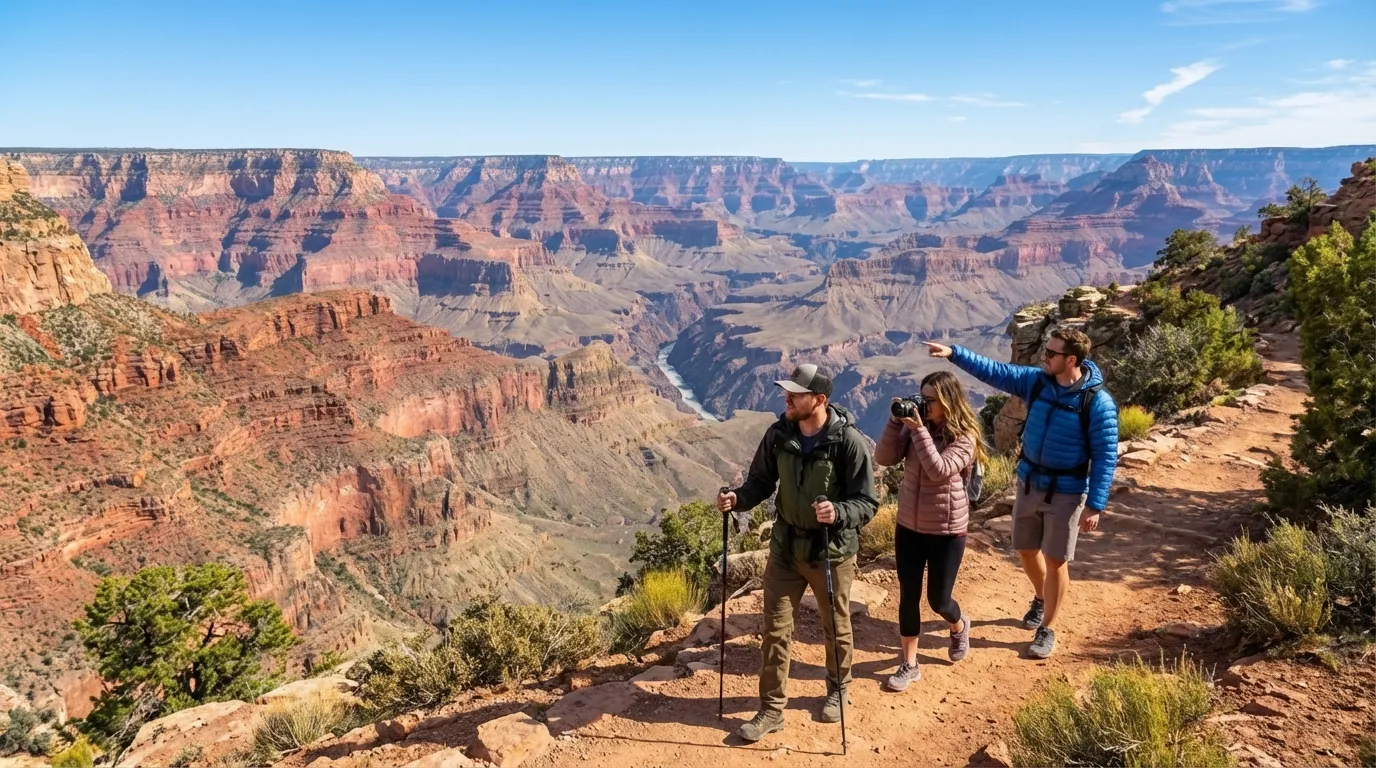
Planning a trip to the Grand Canyon National Park can feel like a daunting task, but having a personal checklist makes it easier.
Over the years, I've discovered some must-see spots, activities, and packing tips that have made my visits unforgettable. Let me share them with you.
Must-See Spots
The Grand Canyon offers breathtaking views and hidden gems that you won't want to miss. Here are my top picks:
South Rim: This area provides iconic views and is accessible year-round. Don't miss the Mather Point for a stunning sunrise.
North Rim: Open from mid-May to mid-October, it offers a quieter experience with equally spectacular vistas.
Havasu Falls: A bit off the beaten path, this waterfall is a turquoise paradise nestled within the canyon.
Desert View Watchtower: Climb to the top for panoramic views of the canyon and the Colorado River.
Recommended Activities
The Grand Canyon isn't just about the views; it's about the experiences. Here are some activities I highly recommend:
Hiking: Trails like Bright Angel and South Kaibab offer varying difficulty levels and stunning scenery.
Rafting: For an adrenaline rush, try rafting on the Colorado River. It's a unique way to see the canyon from a different perspective.
Photography: Capture the canyon's beauty at sunrise or sunset when the light creates dramatic shadows and colors.
Stargazing: The park's remote location makes it perfect for observing the night sky. Bring a telescope or binoculars for a closer look.
Packing Tips
Packing smartly ensures a comfortable and safe adventure. Here's what I always include:
Clothing: Depending on the season, pack long pants and a long-sleeve collared shirt for sun protection. In winter, layers are essential.
Gear: A sturdy backpack, reusable water bottle, and sunscreen are non-negotiable. A map or GPS device helps navigate the trails.
Footwear: Invest in quality hiking boots for support and traction. Trekking poles can also be helpful on steep trails.
Camping Essentials: If camping, bring a tent, sleeping bag, and cooking gear. Ensure your equipment suits the season's temperatures.
Here's a quick table to summarize the essentials:
Item | Purpose |
|---|---|
Backpack | Carry gear comfortably |
Reusable Water Bottle | Stay hydrated |
Sunscreen & Hat | Protect from sun exposure |
Map/GPS Device | Navigate trails safely |
Hiking Boots | Provide support and traction |
Trekking Poles | Improve balance and reduce knee strain |
Tent & Sleeping Bag | Essential for camping |
Cooking Gear | Prepare meals easily |
With these tips and recommendations, you're all set for an incredible Grand Canyon tour. Remember, preparation is key to making the most of your visit.
Places That I Like
Exploring the Grand Canyon National Park feels like stepping into a world of wonder. Each visit reveals new sights and experiences that captivate my heart. Let me share some of my favorite spots that you might want to include in your itinerary.
South Rim Highlights
The South Rim stands as the most popular area of the Grand Canyon, and for good reason. It offers breathtaking views and a variety of activities. Here are a few highlights:
Mather Point: This spot provides one of the most iconic views of the canyon. I love watching the sunrise here, as the light dances across the canyon walls.
Bright Angel Trail: A must for hiking enthusiasts. This trail offers stunning vistas and a chance to immerse yourself in the canyon's beauty.
Grand Canyon Village: A hub of activity with historic buildings, museums, and shops. It's a great place to learn about the park's history and culture.
North Rim Gems
The North Rim offers a quieter, more secluded experience. It's less crowded than the South Rim, making it perfect for those seeking tranquility.
Cape Royal: Known for its panoramic views, Cape Royal is a favorite of mine. The sunsets here are simply magical.
Point Imperial: The highest point on the North Rim, offering sweeping views of the canyon and the Painted Desert.
Roosevelt Point: A lesser-known spot that provides a peaceful escape and stunning vistas.
Hidden Treasures
Beyond the well-trodden paths, the Grand Canyon hides many lesser-known gems. These spots offer unique experiences and a chance to connect with nature.
Havasu Falls: A turquoise oasis nestled within the canyon. It's a bit of a trek to get there, but the sight of the falls is worth every step.
Tuweep Overlook: A remote area that offers a rugged and raw view of the canyon. It's perfect for those who love adventure and solitude.
Shoshone Point: A hidden gem that requires a short hike to reach. It's a fantastic spot for a picnic with a view.
Here's a quick comparison of these places:
Location | Highlights | Experience Level |
|---|---|---|
South Rim | Mather Point, Bright Angel Trail, Village | Beginner |
North Rim | Cape Royal, Point Imperial, Roosevelt Point | Intermediate |
Hidden Treasures | Havasu Falls, Tuweep Overlook, Shoshone Point | Advanced |
Each of these places offers something special, whether it's the bustling energy of the South Rim or the serene beauty of the North Rim. Exploring these spots has enriched my visits to the Grand Canyon National Park, and I hope they do the same for you.
Alternative Time to Visit
Ever thought about visiting the Grand Canyon National Park during off-peak times? You might be surprised by the benefits and unique experiences that await. Let's explore why choosing an alternative time can make your trip even more memorable.
Off-Peak Benefits
Visiting the Grand Canyon during off-peak times, like winter or early spring, offers several advantages. First, you'll encounter fewer crowds. Imagine having the trails almost to yourself, allowing for a more intimate connection with nature. This solitude enhances the experience, making it feel like a personal adventure rather than a tourist hotspot.
Another benefit is cost savings. Off-peak seasons often mean lower prices for accommodations and tours. You can enjoy the same breathtaking views and activities without the premium price tag. This makes it an ideal time for budget-conscious travelers who want to maximize their experience without breaking the bank.
Safety is also a consideration. While the chance of falling into the canyon is about one in 400,000, according to the Arizona Daily Sun, other risks like dehydration or heat exhaustion are more common during peak summer months.
Visiting during cooler times reduces these risks, allowing you to focus on enjoying the scenery.
Here's a quick comparison of peak vs. off-peak benefits:
Aspect | Peak Season (Summer) | Off-Peak Season (Winter/Early Spring) |
|---|---|---|
Crowd Levels | High | Low |
Cost | Higher | Lower |
Safety Concerns | Heat-related risks | Cooler temperatures |
Experience | Busy and bustling | Quiet and serene |
Unique Seasonal Experiences
Off-peak times offer unique experiences that you won't find during the busy summer months. Winter, for instance, transforms the Grand Canyon into a snowy wonderland.
The sight of snow-dusted cliffs against the vast canyon is truly magical. It's a photographer's dream, providing stunning contrasts and serene landscapes.
In early spring, the trails may still have patches of ice, requiring crampons or microspikes for safe hiking. This adds an element of adventure and ensures you're well-prepared for the conditions. The Wildland Trekking experts emphasize the importance of checking weather conditions and being prepared for sudden changes, which is crucial during these times.
Spring also brings blooming wildflowers, adding vibrant colors to the already stunning vistas. It's a time of renewal and growth, offering a fresh perspective on the canyon's beauty.
Each season brings its own charm, making every visit unique and special.
Here's a table highlighting some unique seasonal experiences:
Season | Unique Experience | Preparation Needed |
|---|---|---|
Winter | Snow-covered landscapes | Warm clothing, crampons for hiking |
Early Spring | Blooming wildflowers, icy trails | Layered clothing, microspikes |
Late Spring | Mild weather, fewer tourists | Lightweight clothing, sunscreen |
Fall | Colorful foliage, cooler temperatures | Comfortable layers, hiking boots |
Choosing an alternative time to visit the Grand Canyon National Park can offer a richer, more personal experience. Whether it's the tranquility of winter or the vibrant colors of spring, each season has something special to offer. So, consider planning your trip during these times for a unique adventure that you'll cherish forever.
What Else to Know
Planning a trip to the Grand Canyon National Park? There's more to consider than just the best time to visit. Understanding park regulations, being aware of wildlife, and considering environmental impacts can enhance your experience and ensure a safe and respectful visit.
Park Regulations
When visiting the Grand Canyon, it's essential to know the park's rules. These regulations protect both visitors and the natural environment. For instance, camping is only allowed in designated areas. This helps preserve the park's beauty and ensures everyone's safety. Always carry out what you bring in. Littering not only harms the environment but also disrupts the experience for others.
Pets are welcome but must be on a leash at all times. This rule protects wildlife and ensures the safety of your furry friends.
Also, drones are prohibited. They can disturb the peace and quiet that many visitors seek. Respecting these rules helps maintain the park's pristine condition for future generations.
Wildlife Awareness
The Grand Canyon is home to diverse wildlife. From majestic elk to curious squirrels, you'll encounter many animals during your visit. It's crucial to keep a safe distance. Feeding wildlife is prohibited. It can harm animals and alter their natural behaviors. Always store food securely to avoid attracting animals to campsites or picnic areas.
Be aware of your surroundings. Some animals, like snakes, may be hidden in the brush. Wearing sturdy boots and staying on marked trails can help prevent unwanted encounters. If you spot wildlife, enjoy the view from afar. Use binoculars or a camera with a zoom lens for a closer look without disturbing them.
Environmental Considerations
Visiting the Grand Canyon offers a chance to connect with nature. It's vital to minimize your environmental impact. Stick to established trails to prevent erosion and protect fragile ecosystems. When hiking, follow the "Leave No Trace" principles. This means packing out all trash, including biodegradable items like fruit peels.
Water conservation is also important. The desert environment means water is a precious resource. Use it wisely, whether you're camping or just stopping for a drink. Consider using refillable water bottles to reduce plastic waste. By being mindful of these practices, you contribute to the preservation of this natural wonder.
Here's a quick table summarizing key points:
Aspect | Key Points |
|---|---|
Park Regulations | Camp in designated areas, leash pets, no drones |
Wildlife Awareness | Keep distance, don't feed animals, store food |
Environmental Impact | Stay on trails, conserve water, pack out trash |
Understanding these aspects ensures a respectful and enjoyable visit to the Grand Canyon National Park. By following these guidelines, you help preserve the park's beauty and integrity for everyone to enjoy.
Frequently Asked Questions
Planning a trip to the Grand Canyon National Park can stir up a lot of questions. I’ve been there, wondering about the best time to capture those breathtaking views or when to take on the rapids of the Colorado River.
Let’s get into some of the most common queries to help you make the most of your visit.
Best Time for Photography
Capturing the Grand Canyon's beauty through a lens is a dream for many photographers. The best time of year for photography here is during the spring and fall. These seasons offer mild weather and fewer crowds, allowing you to focus on getting that perfect shot. The lighting during sunrise and sunset creates dramatic shadows and vibrant colors, making your photos truly stand out.
I always recommend checking the weather forecast before heading out, as clear skies can enhance your photography experience.
Ideal Months for Rafting
If you're looking for an adrenaline rush, rafting on the Colorado River is a must. The best time of year for rafting is from May to September. During these months, the water levels are ideal, and the weather is warm enough to enjoy the splash of the rapids.
However, remember that permits are required for rafting trips, and they can be competitive to obtain. Planning ahead is crucial to secure your spot on this thrilling adventure.
Visiting with Kids
Visiting the Grand Canyon with kids can be a rewarding experience for the whole family. The park offers a variety of activities suitable for children, from easy hikes to educational ranger programs. Spring and fall are great times to visit with kids, as the weather is comfortable for outdoor activities.
Make sure to pack plenty of snacks and water, and take breaks to keep the little ones energized and happy. Safety is key, so always keep an eye on them, especially near the canyon's edge.
Here's a quick table to summarize these points:
Activity | Best Time of Year | Key Considerations |
|---|---|---|
Photography | Sunrise/sunset lighting, fewer crowds | |
Rafting | May to September | Ideal water levels, requires permits |
Visiting with Kids | Spring, Fall | Comfortable weather, family-friendly activities |
Reflecting on the best time to visit Grand Canyon National Park, it's clear that each season offers its own charm. Spring and fall stand out as the best times to visit, with mild temperatures and fewer crowds enhancing the experience. For those who love the hustle and bustle, the summer months provide vibrant energy and endless activities.
When planning your Grand Canyon tour, consider what you value most—whether it's solitude, budget-friendly options, or specific activities like rafting or photography.
Tailor your visit to the Grand Canyon to match your interests, ensuring a memorable adventure that resonates with your personal travel style.
