What Time of Year Can You See Greenland’s Northern Lights?

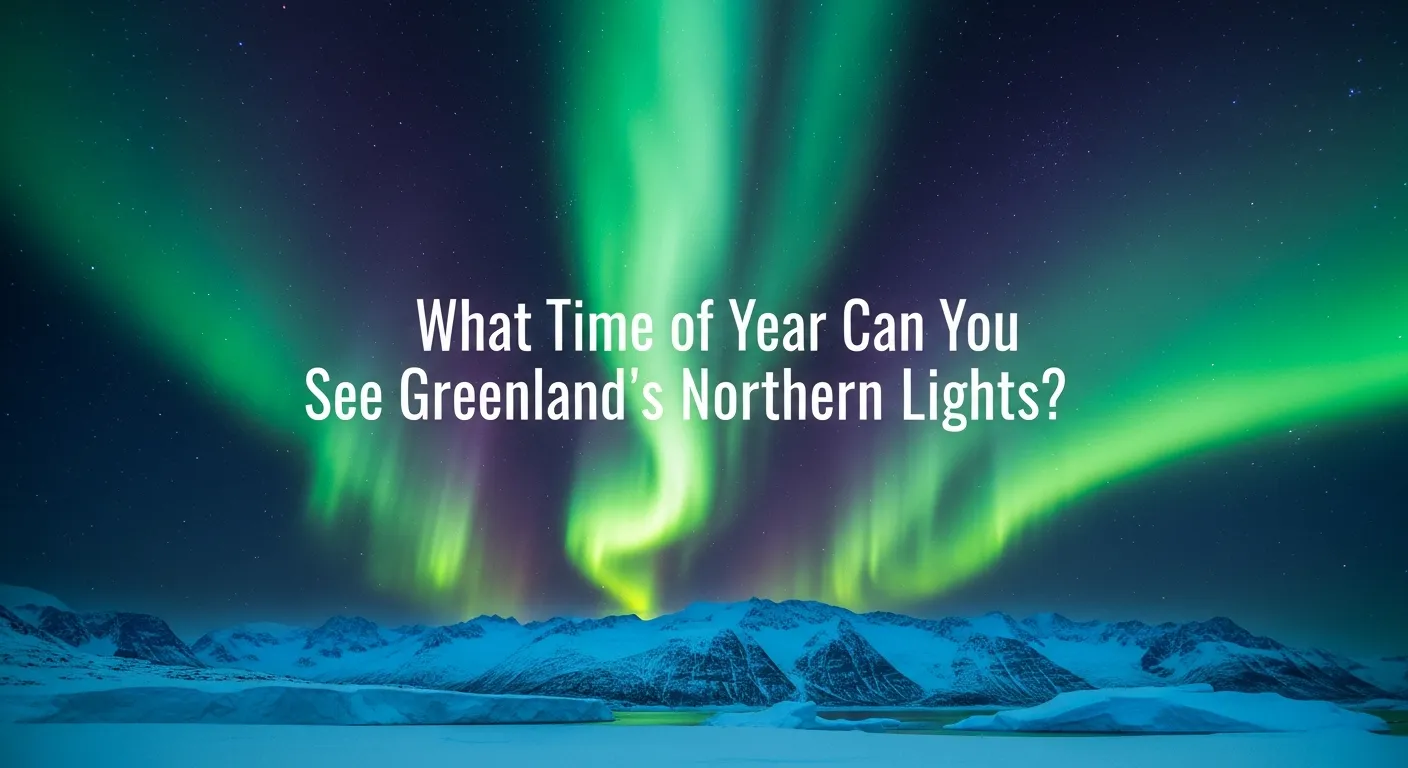
If you’ve ever dreamed of witnessing the stunning displays of the aurora borealis, Greenland is one of the best places to make it happen. The best time to visit Greenland for this magical experience is from September to April. During these months, long nights and dark skies create the perfect backdrop for the aurora. Winter in the Arctic offers increased geomagnetic activity, making the lights brighter and more vibrant.
Unlike the summer's constant daylight, this time of year offers complete darkness, perfect for stargazing. If you're planning a trip or just browsing Greenland travel guides, this season guarantees breathtaking moments beneath the dancing aurora.
Why September to April is the Best Time to Visit Greenland
Long Nights and Dark Skies
To best view the aurora borealis, seek out darkness. Greenland, with its extended nighttime from September to April, offers ideal conditions for witnessing the Northern Lights. The most popular times for aurora hunting align with periods of prolonged darkness.
Take a look at the average hours of night during these months:
Quarter (Months) | Average Darkness* |
|---|---|
Jan – Mar | 14 – 20 h night |
Oct – Dec | 12 – 20 h night |
These long nights with great northern lights potential mean you’ll have plenty of time to catch the dazzling displays. Unlike the summer months, when the midnight sun keeps the skies bright, winter offers uninterrupted darkness.
This makes September to April the best time to visit Greenland for aurora viewing.
Clear Weather and Atmospheric Conditions
Clear skies are essential for seeing the Northern Lights, and Greenland delivers on this front. During the peak aurora season, the weather tends to cooperate, offering ideal conditions for your viewing experience.
Here’s why Greenland’s weather works in your favor:
Clear sky conditions dominate during the aurora observation period.
Meteorological measurements confirm that many nights feature totally clear skies.
This means you won’t have to worry about clouds blocking your view. Whether you’re planning a vacation or looking for a popular time to visit, Greenland’s reliable weather ensures you’ll have a good chance of catching the aurora.
Minimal Light Pollution in Greenland
One of Greenland’s biggest advantages is its pristine, dark skies. The country has almost no light pollution, making it one of the best places in the world for aurora viewing.
To put this into perspective, here’s a comparison of light pollution levels:
Region | Percentage of Area Affected by Light Pollution |
|---|---|
Greenland | 0.12% |
Central African Republic | 0.29% |
Niue | 0.45% |
Somalia | 1.2% |
Mauritania | 1.4% |
With such minimal light pollution, Greenland offers unmatched visibility for the aurora. Whether you’re exploring remote wilderness or enjoying urban life in Nuuk, you’ll find the skies are dark enough to showcase the Northern Lights in all their glory.
Seasonal Breakdown of the Best Time to Visit
September to November: Early Season Highlights
The Northern Lights season in Greenland kicks off in September, marking the transition from summer to winter. This period offers a unique blend of mild temperatures and increasing hours of darkness, giving you a chance of early northern lights sighting.
September is particularly special because it combines the lingering warmth of the summer months with the first glimpses of the aurora.
As October and November roll in, the nights grow longer, creating optimal conditions for aurora viewing. These months are a popular time to visit Greenland, as the skies become darker and clearer. You’ll also find that the autumn months provide a stunning backdrop of colorful tundra landscapes, making your experience even more magical.
Here are some key highlights of this early season:
September offers a balance of mild weather and aurora activity.
October and November feature extended nighttime hours, perfect for aurora hunting.
The autumn skies are often clear, enhancing your chances of seeing the lights.
If you’re planning vacations during this time, you’ll enjoy the added bonus of fewer crowds compared to the peak winter months. It’s a fantastic time to explore Greenland’s natural beauty while chasing the aurora.
December to February: Peak Viewing Opportunities
Winter in Greenland is the prime time for Northern Lights enthusiasts. The long, dark nights and cold, crisp air create the perfect conditions for vibrant auroral displays.
During these months, the skies are at their darkest, giving you the best chance to witness the lights in all their glory.
Geomagnetic activity tends to be slightly lower in December compared to other months, but don’t let that discourage you. The sheer darkness of the winter nights compensates for this, ensuring excellent visibility.
January and February, however, are when the aurora truly shines. The combination of extended nighttime hours and increased geomagnetic activity makes this period ideal for aurora hunting.
Here’s why winter is the best time to visit Greenland for Northern Lights:
The nights are the longest of the year, maximizing your viewing window.
The cold, dry air reduces atmospheric interference, providing clear skies.
Greenland’s minimal light pollution ensures pristine visibility.
Pack your warmest gear and prepare for an unforgettable adventure. Whether you’re exploring the icy wilderness or enjoying the view from a cozy lodge, winter offers unparalleled opportunities to see the aurora.
March to April: Late Season Aurora and Activities
As winter transitions to spring, Greenland continues to dazzle with its Northern Lights displays. March, in particular, is a standout month for aurora activity.
Historical data shows that geomagnetic storms are significantly more frequent in spring, with March 1989 recording an average daily Kp index of 5.51 and auroral activity on 21 days. This makes March one of the most active months for the aurora.
April also holds its own charm. While the nights begin to shorten, the aurora remains visible, and the milder temperatures make outdoor activities more enjoyable. You can combine aurora hunting with other spring adventures, such as dog sledding or exploring Greenland’s breathtaking landscapes.
Key reasons to visit Greenland in March and April:
Spring geomagnetic storms increase the likelihood of vibrant auroras.
Milder temperatures make outdoor activities more comfortable.
The combination of Northern Lights and springtime adventures creates a unique experience.
If you’re looking for a mix of aurora viewing and outdoor fun, this late-season period is perfect. It’s a chance to witness the beauty of Greenland as it transitions from winter to spring.
Best Locations in Greenland for Northern Lights Viewing
Kangerlussuaq: A Top Destination for Aurora Hunters
If you’re looking for one of the most reliable spots to see Greenland’s Northern Lights, Kangerlussuaq should be at the top of your list. This small town boasts over 300 clear nights per year, thanks to its unique leeward location that shields it from heavy cloud cover.
The minimal light pollution here ensures the aurora shines brightly against the dark Arctic skies.
Kangerlussuaq is also one of the most accessible destinations in Greenland, making it a favorite among travelers. Whether you’re visiting for a short trip or planning longer vacations, this spot offers unmatched opportunities for aurora viewing.
You can even combine your Northern Lights experience with other activities like hiking or exploring the nearby ice cap.
Location | Key Features | Visitor Statistics |
|---|---|---|
Kangerlussuaq | Over 300 clear nights per year, unique leeward location, minimal light pollution. | Most accessible destination for Northern Lights. |
Ilulissat: Ice Fjords and Northern Lights
Ilulissat combines breathtaking landscapes with incredible aurora displays, making it a must-visit destination. The town is famous for its proximity to the Ilulissat Icefjord, a UNESCO World Heritage Site filled with towering icebergs. Cruising through bays dotted with icebergs under the dancing Northern Lights is something you won't soon forget.
The dry air in Ilulissat enhances the cold temperatures, creating ideal conditions for aurora viewing. Minimal light pollution ensures the skies remain dark, allowing the lights to shine vividly.
The best time to visit Ilulissat for Northern Lights is from early October to mid-March, when winter conditions are perfect for spotting the aurora.
The air in Ilulissat is dry, which enhances the experience of cold temperatures.
There is minimal light pollution, allowing for optimal visibility of the Northern Lights.
The best time for viewing is from early October to mid-March, coinciding with winter months when conditions are ideal.
Nuuk: Combining Urban Life with Aurora Views
Nuuk, Greenland’s capital, offers a unique blend of urban life and aurora viewing. While the city has more streetlights than other locations, you’ll still find excellent spots to catch the Northern Lights.
Head to the outskirts or nearby fjords for darker skies and better visibility.
Nuuk is perfect if you want to mix cultural experiences with aurora hunting. You can explore museums, enjoy local cuisine, and then step outside to witness the magic of the Northern Lights. It’s a great option for travelers who want a balance between adventure and comfort.
Location | Key Features | Visitor Statistics |
|---|---|---|
Nuuk | Capital city with many street lights, but offers good viewing spots. | Most lit town in Greenland, yet still significant for Northern Lights. |
Remote Wilderness: Escape for Pristine Visibility
If you’re searching for the ultimate Northern Lights experience, Greenland’s remote wilderness is where you’ll find it. These untouched areas offer pristine visibility, free from the distractions of urban lights or noise. Under the vast Arctic sky, the aurora borealis dances above, a spectacle witnessed in near silence. This moment feels almost otherworldly.
Greenland’s wilderness is perfect for aurora viewing because of its minimal light pollution. Unlike cities, these remote spots let the Northern Lights shine in their full glory. You’ll notice how the colors appear brighter and more vivid against the pitch-black sky.
Places like Ilulissat, known for its ice fjords, provide an incredible backdrop for this natural wonder. The towering icebergs and frozen landscapes add a magical touch to your experience.
Here’s why the wilderness is ideal for aurora hunting:
Unmatched Darkness: The lack of artificial light ensures the best visibility.
Clear Skies: Remote areas often have fewer clouds, giving you a better chance to see the lights.
Unique Landscapes: Locations like Ilulissat combine stunning scenery with aurora displays.
Planning vacations to Greenland’s wilderness also means embracing adventure. You can explore frozen fjords, hike through snow-covered trails, or even stay in cozy lodges far from civilization.
These activities make your trip unforgettable, blending the thrill of the Arctic with the beauty of the Northern Lights.
If you’re ready to escape the ordinary, Greenland’s wilderness offers an experience like no other. Pack your warm gear, head to Ilulissat or other remote spots, and prepare for a night under the shimmering skies.
Tips for a Successful Northern Lights Experience
Best Times of Night for Viewing
Timing is everything when it comes to spotting the Northern Lights in Greenland. The best time to catch this natural wonder is typically between 10 PM and 2 AM. During these hours, the skies are at their darkest, and auroral activity tends to peak. However, don’t limit yourself to just this window.
The aurora can appear as early as 8 PM or as late as 4 AM, so staying flexible increases your chances of success.
Here’s a quick breakdown of the best viewing times:
Time Range | Visibility Potential |
|---|---|
8 PM – 10 PM | Moderate |
10 PM – 2 AM | High (Peak Hours) |
2 AM – 4 AM | Moderate |
To maximize your experience, consider venturing out to remote areas like Ilulissat, where the lack of light pollution enhances visibility. Cruising along Greenland’s northeast coast also offers access to regions where the aurora is regularly visible. The dramatic Arctic landscapes and cultural immersion make the experience even more memorable.
Tip: Keep an eye on aurora forecasts and geomagnetic activity levels. Apps like My Aurora Forecast can help you plan your viewing sessions more effectively.
Essential Gear for Arctic Conditions
Greenland’s winter nights can be brutally cold, so dressing appropriately is crucial for a comfortable and successful Northern Lights adventure. Layering is your best friend here.
Start with a moisture-wicking base layer, add an insulating middle layer, and finish with a windproof and waterproof outer layer.
Here’s a checklist of essential gear to pack:
Thermal Clothing: Base layers, insulated jackets, and snow pants.
Accessories: Warm gloves, a hat, and a scarf to protect extremities.
Footwear: Insulated, waterproof boots with thick socks.
Extras: Hand warmers, a thermos with a hot drink, and a portable seat for comfort.
For those interested in photography, don’t forget to bring a sturdy tripod and a camera with manual settings. The cold can drain batteries quickly, so pack extras and keep them warm in your pockets.
To fully enjoy the experience, whether you're hiking through Greenland's spectacular wilderness or simply admiring the aurora, being well-prepared is essential.
Note: Greenland’s weather can change rapidly. Always check the forecast before heading out and carry emergency supplies, especially if you’re venturing into remote areas.
Guided Tours and Local Expertise
If you want to increase your chances of seeing the Northern Lights, guided tours are an excellent option. Greenland attracts around 100,000 visitors annually, and many choose guided adventures for a reason.
These tours are led by experts who know the best viewing spots and can adapt plans based on weather and auroral activity.
Here’s why guided tours are worth considering:
Expert guides take you to optimal locations with minimal light pollution.
They provide valuable insights into Greenland’s culture and landscapes, enriching your experience.
Many tours include additional activities like dog sledding or exploring Ilulissat’s ice fjords, making your trip even more memorable.
Visitors often praise the expertise of guides. For example, Jim White shared how his guide took him to unique spots for exceptional photography opportunities. Similarly, Mary Griggs appreciated the guides’ enthusiasm and knowledge, which helped her capture stunning aurora photos—even with a smartphone.
Pro Tip: Look for tours that combine Northern Lights viewing with other Arctic adventures. This way, you can enjoy a well-rounded experience while maximizing your chances of seeing the aurora.
Guided tours also offer logistical help, keeping you safe and comfortable in Greenland's tough conditions. Having local experts with you makes a big difference, no matter if you're an experienced traveler or it's your first time.
Flexibility and Patience with Weather
When it comes to chasing the Northern Lights in Greenland, one thing is certain: the weather can be unpredictable. You might plan for clear skies, but clouds or snowstorms could roll in without warning. This is why flexibility and patience are your best allies during your aurora adventure.
Greenland’s Arctic climate is known for its rapid changes. A perfectly clear evening can turn overcast in a matter of hours.
On the flip side, a cloudy afternoon might clear up just in time for the aurora to make its grand appearance. Staying adaptable allows you to make the most of these sudden shifts. If the weather doesn’t cooperate one night, don’t lose hope. The aurora borealis is a natural phenomenon, and part of its magic lies in its unpredictability.
Here are a few tips to help you stay flexible and patient:
Monitor Weather Apps: Use reliable weather apps or aurora forecast tools to track cloud cover and geomagnetic activity. Apps like My Aurora Forecast or SpaceWeatherLive can give you real-time updates.
Plan Multi-Night Stays: Instead of relying on a single night, plan your trip to include multiple evenings for aurora hunting. This increases your chances of catching a clear sky.
Have Backup Activities: Greenland offers plenty of other experiences to enjoy if the weather doesn’t cooperate. From dog sledding to exploring ice fjords, there’s no shortage of adventures to fill your time.
Weather Challenge | Solution | Benefit |
|---|---|---|
Cloudy Skies | Monitor forecasts for clear breaks | Increases chances of spotting aurora |
Snowstorms | Stay indoors and enjoy local culture | Makes the most of downtime |
Rapid Changes | Be ready to head out at short notice | Maximizes viewing opportunities |
Patience is equally important. The Northern Lights don’t follow a strict schedule, and waiting for them can test your resolve. But trust me, the moment you see those vibrant greens and purples dancing across the sky, every second of waiting will feel worth it.
Bring a thermos of hot tea or coffee, bundle up in your warmest winter gear, and enjoy the stillness of Greenland’s vast landscapes while you wait. It’s all part of the experience.
Remember, the unpredictability of the weather adds to the thrill of aurora hunting. It’s not just about the destination but also the journey. Embrace the unexpected, and you’ll come away with stories and memories that last a lifetime.
The best time to visit Greenland for the Northern Lights is from September to April. These months offer long nights, dark skies, and the perfect conditions for aurora viewing. You can explore seasonal highlights, like the vibrant displays in March or the crisp, clear skies of winter.
Greenland's most stunning spots, from the dazzling lights of Kangerlussuaq to the wild beauty near Ilulissat, offer truly unforgettable experiences.
Be sure to pack appropriately, be prepared for unpredictable weather, and plan your trip during this special time of year to witness one of nature's most breathtaking displays.
