The Ultimate Guide to Visiting Ireland at the Right Time

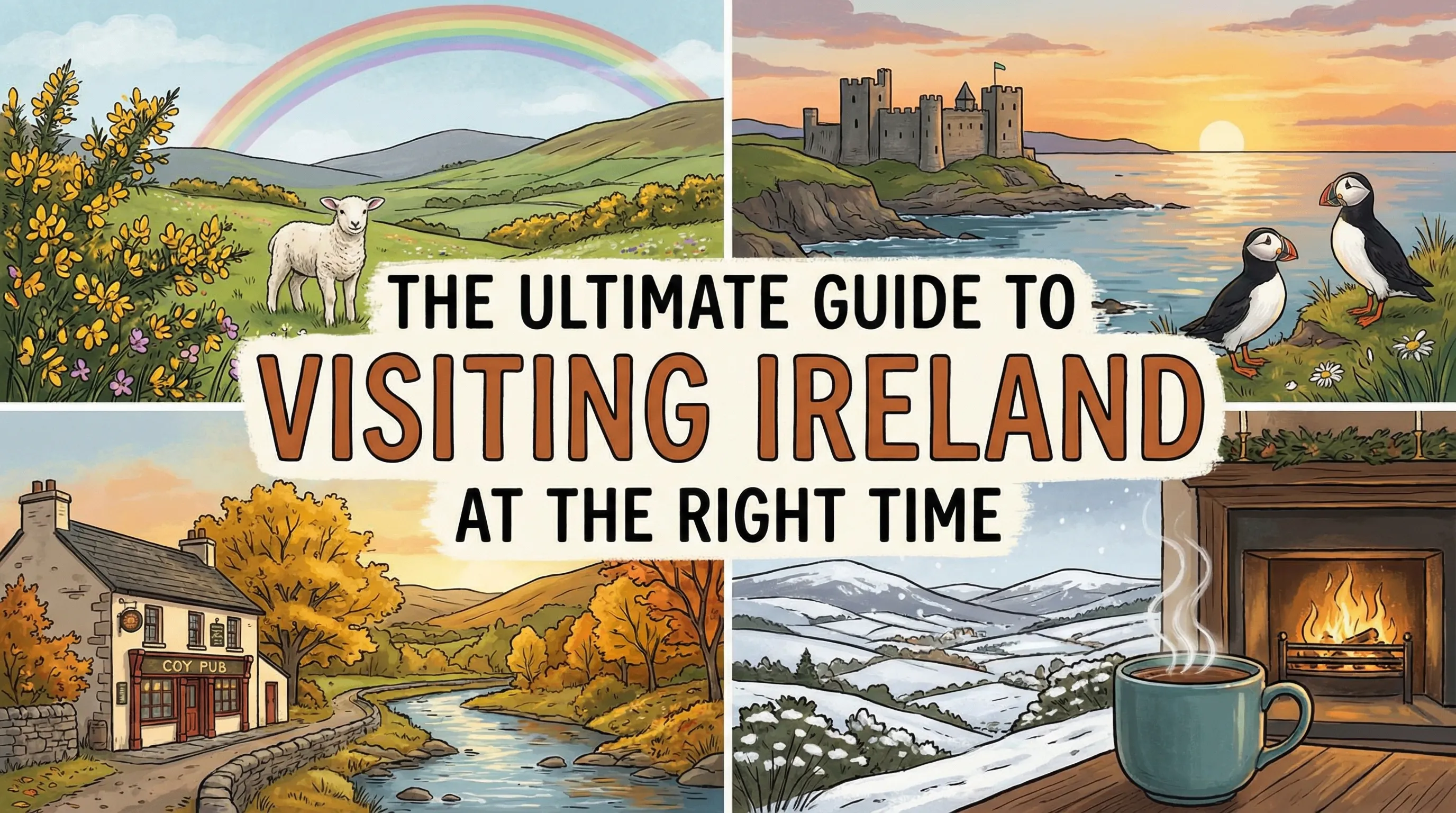
When planning a trip to Ireland, timing is everything. The best time to visit Ireland is during the months of March to May and September to November. These periods offer mild weather and fewer crowds, making your experience more enjoyable.
During these months, the Avg temperatures range from 4°C (40°F) to 13°C (55°F), providing a comfortable climate for exploration.
Considerations like weather, crowd levels, cost, and events play a crucial role in determining the ideal time to visit. Ireland offers a memorable experience if you visit during spring for its colorful flowers or fall for its calm scenery.
Best Months to Visit
Choosing the right time to visit Ireland can make your trip unforgettable. Each season offers unique experiences, and I'll guide you through what to expect during each one.
Spring (March to May)
Spring in Ireland feels like a breath of fresh air. The countryside bursts into life with vibrant blooms, and the landscapes become a painter's dream. During these months, temperatures range from 4°C to 13°C (40°F to 55°F), making it perfect for exploring without the summer crowds.
Spring also brings some delightful events. St. Patrick's Festival in March is a must-see, with parades and celebrations across the country. It's a fantastic time to immerse yourself in Irish culture.
Plus, flight and hotel prices are often more reasonable compared to the peak summer months.
Summer (June to August)
Summer is when Ireland truly shines. The weather is at its warmest, with average temperatures between 13°C and 18°C (55°F to 64°F). Longer daylight hours mean more time to explore the stunning landscapes, from the Cliffs of Moher to the Ring of Kerry.
However, summer is also the peak tourist season. Expect larger crowds, especially in popular destinations like Dublin and Galway. If you plan to visit during this time, booking accommodations well in advance is wise. Despite the crowds, summer offers a lively atmosphere with numerous festivals and events.
August, in particular, is bustling with activities, making it an exciting time to visit.
Fall (September to November)
Fall in Ireland is a hidden gem. The weather remains mild, with temperatures ranging from 7°C to 15°C (45°F to 59°F). The landscapes transform into a tapestry of autumn colors, creating a picturesque setting for your adventures.
September and October are ideal for those seeking a quieter experience. The summer crowds have dispersed, and you can enjoy attractions without the hustle and bustle. Also, you'll find that airfare and lodging become cheaper, which is beneficial for those traveling.
Fall is also a great time to explore local events and festivals, providing a deeper connection to Irish culture.
Here's a quick comparison of the seasons:
Season | Avg Temperature (°C) | Crowds | Key Events |
|---|---|---|---|
Spring | 4°C - 13°C | Low to Medium | St. Patrick's Festival |
Summer | 13°C - 18°C | High | Various Festivals in August |
Fall | 7°C - 15°C | Low | Local Events and Festivals |
Each season in Ireland has its charm, and your choice depends on what you want to experience. Whether it's the lively atmosphere of summer or the serene beauty of fall, Ireland promises a memorable journey.
Winter (December to February)
Winter in Ireland holds a unique charm that often goes unnoticed. When I think of winter, I imagine cozy pubs with roaring fires, the crisp air on a morning walk, and the magical atmosphere of holiday festivities. The temperatures during these months range from 1°C to 8°C (34°F to 46°F), which might seem chilly, but it adds to the allure of the season.
One of the best things about visiting Ireland in winter is the tranquility. The tourist crowds have thinned out, allowing you to explore popular sites like the Cliffs of Moher or the Giant's Causeway without the hustle and bustle.
This quieter time also means you can enjoy more personal interactions with locals, who are always eager to share stories and recommendations.
Winter also brings its own set of delightful events. December is particularly festive, with Christmas markets popping up in cities like Dublin and Galway. These markets offer a chance to experience Irish culture through local crafts, food, and music. January and February continue the festive spirit with traditional music sessions in pubs and cultural events that warm the soul.
For those who love a good deal, winter is a fantastic time to find lower prices on flights and accommodations. With fewer tourists, airlines and hotels often offer discounts, making it an ideal time for budget-conscious travelers.
Plus, the shorter days mean you can spend more time enjoying Ireland's vibrant nightlife, from live music to theater performances.
Here's a quick look at what winter in Ireland offers:
Month | Avg Temperature (°C) | Crowds | Key Events |
|---|---|---|---|
December | 2°C - 8°C | Low | Christmas Markets |
January | 1°C - 7°C | Low | Traditional Music Sessions |
February | 1°C - 8°C | Low | Cultural Events |
Winter in Ireland may not have the warmth of summer, but it offers a different kind of warmth—one that comes from the heart of its people and the beauty of its landscapes. A winter trip to Ireland is sure to be memorable, from warming yourself by a fire with a hot drink to discovering charming, quiet villages.
Weather Considerations
When planning a trip to Ireland, understanding the weather can make all the difference. I often find that travelers underestimate how much the climate can impact their experience.
Here's a look at Ireland's year-round weather.
Climate Overview
Ireland's climate is famously unpredictable, but that's part of its charm. The country enjoys a temperate maritime climate, which means mild temperatures and plenty of rain. The average temperature ranges from 4°C to 18°C (39°F to 64°F) throughout the year.
Winters are relatively mild, with temperatures between 4°C and 8°C (39°F-47°F), while summers are cool, with averages around 13°C to 18°C (55°F to 64°F).
Rain is a constant companion in Ireland, so packing an umbrella or a waterproof jacket is always a good idea. The Avg Rainfall varies across the country, with the west coast receiving more rain than the east. This rainfall contributes to the lush, green landscapes that Ireland is famous for.
Here's a quick look at Ireland's climate:
Season | Avg Temperature (°C) | Avg Rainfall (mm) | Key Characteristics |
|---|---|---|---|
Winter | 4°C - 8°C | 70-100 | Mild, wet, fewer tourists |
Spring | 4°C - 13°C | 50-80 | Blooming flowers, mild |
Summer | 13°C - 18°C | 60-90 | Warm, longer days |
Fall | 7°C - 15°C | 60-100 | Colorful foliage, mild |
Seasonal Weather Impacts
Each season in Ireland brings its own unique weather patterns, which can significantly impact your travel plans. In winter, the shorter days and cooler temperatures create a cozy atmosphere.
I love the tranquility of exploring Ireland's iconic sites without the crowds. January, for instance, sees average temperatures around 7°C (44.6°F), with lows dipping to 3°C (37.4°F).
Spring breathes life into the countryside, with flowers blooming and temperatures rising. It's a fantastic time for outdoor activities, as the weather is mild and the landscapes are vibrant.
Summer offers the warmest weather, perfect for exploring Ireland's stunning coastlines and enjoying the long daylight hours.
Fall is a personal favorite of mine. The landscapes transform into a tapestry of reds, oranges, and yellows, creating a picturesque backdrop for any adventure. The weather remains mild, making it an ideal time for those who prefer a quieter experience.
Understanding Ireland's weather helps you pack appropriately and plan activities that suit the season. Ireland's weather, whether it's the snug appeal of winter or the lively buzz of summer, enhances your trip.
Crowd Levels
When planning a trip to Ireland, understanding the ebb and flow of tourist crowds can make a big difference in your experience. I've seen how the seasons affect the number of visitors, and it's something worth considering when deciding when to visit.
Peak Season (Summer)
Summer in Ireland, from June to August, attracts the most tourists. The warm weather and long daylight hours draw people from all over the world. Popular spots like Dublin, Galway, and the Cliffs of Moher buzz with activity.
During this time, you might find yourself navigating through bustling streets and busy attractions.
The vibrant atmosphere of summer festivals adds to the excitement. Events like the Galway International Arts Festival and the Dublin Horse Show bring in even more visitors. However, the increased demand means higher prices for flights and accommodations.
Booking well in advance becomes essential to secure your spot and avoid disappointment.
Here's a quick look at what to expect during peak season:
Month | Avg Temperature (°C) | Crowds | Key Events |
|---|---|---|---|
June | 13°C - 17°C | High | Bloomsday Festival |
July | 14°C - 18°C | Very High | Galway International Arts Festival |
August | 14°C - 18°C | Very High | Dublin Horse Show |
Despite the crowds, summer offers a lively and energetic experience. If you enjoy being part of the hustle and bustle, this might be the perfect time for you to visit.
Off-Peak Season (Winter)
Winter, from December to February, presents a different side of Ireland. The crowds thin out, offering a more tranquil experience. I love the peace and quiet that comes with exploring Ireland's iconic sites during this time. You can wander through places like the Giant's Causeway or the Ring of Kerry without the usual throngs of tourists.
The cooler temperatures and shorter days create a cozy atmosphere. Pubs with roaring fires and festive holiday markets add to the charm.
Prices for flights and accommodations often drop, making it an attractive option for budget-conscious travelers. You can enjoy the beauty of Ireland without breaking the bank.
Here's a snapshot of what winter offers:
Month | Avg Temperature (°C) | Crowds | Key Events |
|---|---|---|---|
December | 2°C - 8°C | Low | Christmas Markets |
January | 1°C - 7°C | Very Low | Traditional Music Sessions |
February | 1°C - 8°C | Very Low | Cultural Events |
Winter in Ireland provides a unique opportunity to connect with the local culture and enjoy a more personal experience. If you prefer a quieter visit, this might be the ideal time for you.
Cost Implications
When planning a trip to Ireland, understanding the cost implications can help you make the most of your budget. I've learned that timing plays a crucial role in determining how much you'll spend. Let's explore the financial aspects of visiting Ireland during different seasons.
High Season Costs
Visiting Ireland during the high season, which spans from June to August, can be an exhilarating experience. The weather is at its best, and the country buzzes with energy. However, this peak period comes with a price. Flights and accommodations tend to be more expensive due to the influx of tourists.
Popular destinations like Dublin and Galway see a surge in visitors, driving up demand and prices.
During the summer months, you might find yourself paying a premium for hotels, especially in tourist hotspots. Restaurants and attractions may also have higher prices. If you're planning to visit during this time, booking well in advance can help you secure better deals.
Despite the higher costs, the vibrant atmosphere and numerous festivals make it a worthwhile experience.
Here's a quick look at what to expect during the high season:
Month | Avg Temperature (°C) | Crowd Levels | Cost Implications |
|---|---|---|---|
June | 13°C - 17°C | High | Higher flight and hotel rates |
July | 14°C - 18°C | Very High | Premium prices for attractions |
August | 14°C - 18°C | Very High | Increased dining costs |
Low Season Savings
If you're looking to save money, consider visiting Ireland during the low season, from December to February. The cooler temperatures and shorter days mean fewer tourists, which translates to lower prices. I've found that flights and accommodations are often more affordable during this time. You can enjoy the beauty of Ireland without breaking the bank.
The off-peak season offers a more tranquil experience, allowing you to explore iconic sites without the crowds. Restaurants and attractions may also offer discounts to attract visitors.
This makes it an ideal time for budget-conscious travelers who want to experience Ireland's charm at a fraction of the cost.
Here's a snapshot of what to expect during the low season:
Month | Avg Temperature (°C) | Crowd Levels | Cost Implications |
|---|---|---|---|
December | 2°C - 8°C | Low | Lower flight and hotel rates |
January | 1°C - 7°C | Very Low | Discounts on attractions |
February | 1°C - 8°C | Very Low | Affordable dining options |
Choosing the right time to visit Ireland can significantly impact your travel budget. Whether you prefer the lively atmosphere of the high season or the peaceful charm of the low season, understanding the cost implications helps you plan a memorable trip without overspending.
Alternative Time to Visit
When planning a trip to Ireland, timing can make all the difference. While many travelers flock to the Emerald Isle during peak seasons, I've found that the shoulder seasons offer a unique and rewarding experience.
These periods, typically in late spring and early fall, provide a perfect balance of pleasant weather, fewer crowds, and often more affordable prices.
Shoulder Seasons
The shoulder seasons in Ireland, which occur from April to May and September to October, present an ideal opportunity for those seeking a more relaxed and intimate experience.
During these months, the weather remains mild, with average temperatures ranging from 7°C to 15°C (45°F to 59°F). This makes it comfortable for exploring Ireland's stunning landscapes and vibrant cities.
Why Choose Shoulder Seasons?
Fewer Crowds: One of the biggest advantages of visiting during the shoulder seasons is the reduced number of tourists. Popular attractions like the Cliffs of Moher and the Ring of Kerry are less crowded, allowing you to enjoy the beauty of these sites without the hustle and bustle.
Cost Savings: Traveling during these times can also be easier on the wallet. Flights and accommodations often come at a lower cost compared to the peak summer months. This means you can enjoy Ireland's charm without breaking the bank.
Pleasant Weather: The weather during the shoulder seasons is generally mild and pleasant. Spring brings blooming flowers and lush greenery, while fall offers a tapestry of autumn colors. It's a great time for outdoor activities like hiking and cycling.
Local Events: The shoulder seasons also feature a variety of local events and festivals. In April, you can experience the lively atmosphere of the Galway Food Festival, while September offers the chance to enjoy the Lisdoonvarna Matchmaking Festival in County Clare.
Here's a quick comparison of the shoulder seasons:
Month | Avg Temperature (°C) | Crowds | Key Events |
|---|---|---|---|
April | 7°C - 13°C | Low to Medium | Galway Food Festival |
May | 9°C - 15°C | Low to Medium | Bloom Festival |
September | 10°C - 15°C | Low | Lisdoonvarna Matchmaking Festival |
October | 7°C - 13°C | Low | Cork Jazz Festival |
Choosing to visit Ireland during the shoulder seasons can enhance your travel experience. You'll find a more relaxed pace, allowing you to connect with the local culture and enjoy the breathtaking landscapes.
The shoulder seasons provide a wonderful and unforgettable experience, whether you're visiting old castles or enjoying classic Irish food.
Frequently Asked Questions
When planning a trip to Ireland, you might have a few questions on your mind. I get it—traveling to a new place can be both exciting and a bit daunting. Let's tackle some common queries about weather and travel logistics to help you feel more prepared and confident about your journey.
Weather-Related Questions
What's the weather like in Ireland?
Ireland's weather is famously unpredictable. You might experience sunshine, rain, and wind all in one day. The climate is temperate maritime, meaning mild temperatures year-round. Summers are cool, with averages around 60°F (15°C), while winters are mild, averaging 40°F (5°C). Rain is frequent, so pack a waterproof jacket.
When is the best time to visit for good weather?
The best time to visit for pleasant weather is during the shoulder seasons—April to May and September to October. These months offer mild temperatures and fewer crowds. Spring brings blooming flowers, while fall showcases stunning autumn colors.
Does it snow in Ireland?
Snow is rare in Ireland, especially in coastal areas. However, higher elevations might see some snowfall during winter months. If you're visiting during Christmas, don't expect a white Christmas, but enjoy the festive atmosphere and holiday markets.
How should I dress for the weather?
Layering is key. Bring a mix of light and warm clothing, including a waterproof jacket. Comfortable shoes are essential for exploring both urban and rural areas. A hat and gloves can be handy for cooler days, especially in winter.
Choosing the right time to visit Ireland can truly enhance your experience. Whether you're drawn to the vibrant festivals of summer or the serene beauty of fall, each season offers something unique.
Spring and fall provide mild weather and fewer crowds, making them ideal for those seeking a quieter adventure. Summer, with its lively atmosphere, is perfect for festival lovers, though prices can be higher.
Winter offers tranquility and lower prices, ideal for budget-conscious travelers. Ultimately, your priorities and interests should guide your decision.
The unpredictable nature of Ireland's weather, with its surprising turns, adds to the charm of your travels.
