Your Complete Guide to Traveling Vietnam Affordably

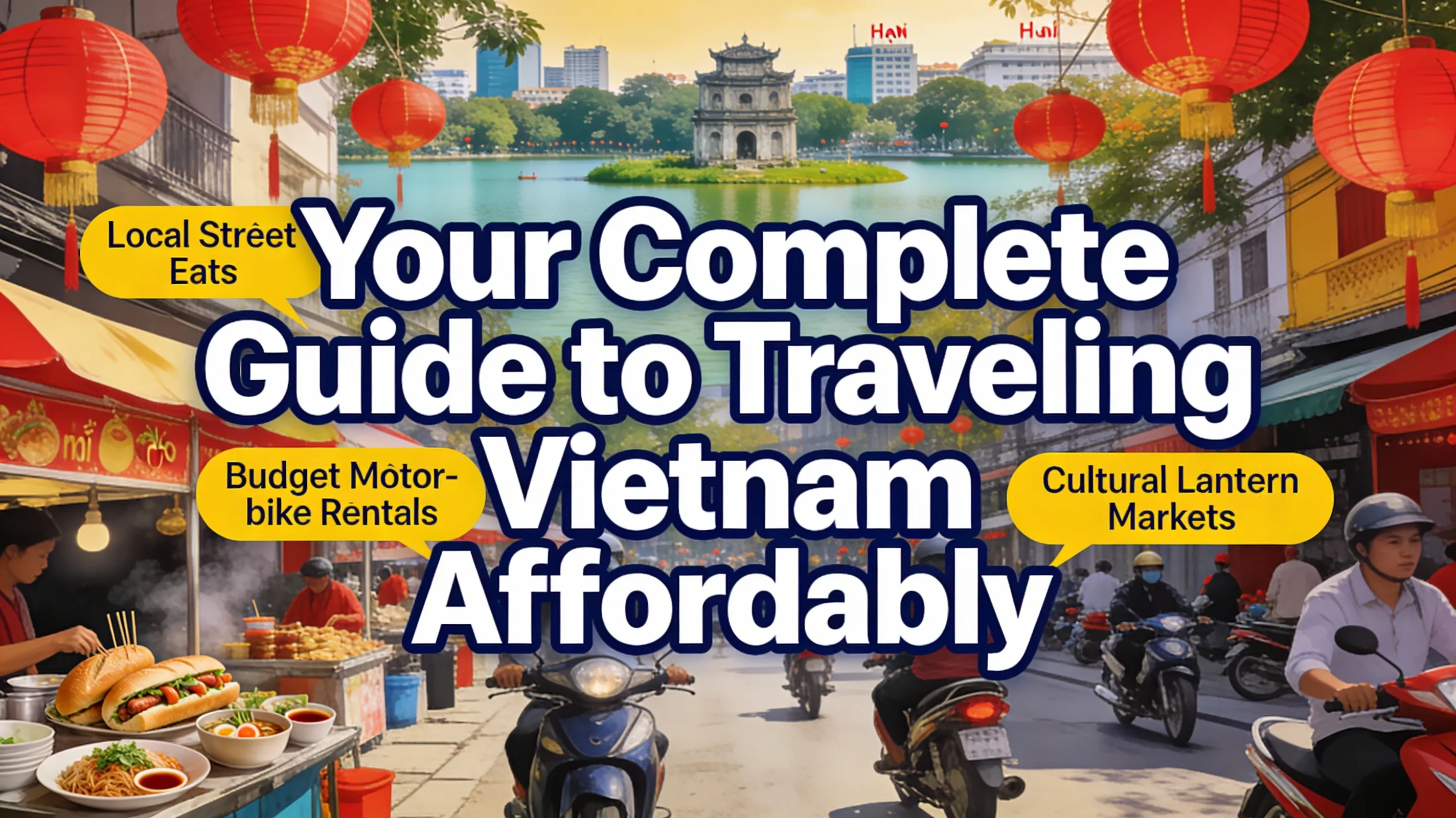
Vietnam is easy to explore without breaking the bank. You can enjoy amazing street food, hike in vibrant mountains, or unwind on beautiful beaches. The locals are friendly, and everything is geared towards budget travelers. Traveling in Vietnam on a budget means you can still experience all the country's beauty and charm without overspending.
Why Choose Budget Travel in Vietnam?
Affordable cultural and historical experiences
Vietnam has many cheap cultural and historical activities. You can visit old temples, busy markets, and colonial buildings for a few dollars. Museums and historic places often have low entrance fees.
For example, visiting Hanoi's Temple of Literature costs less than $2. Some villages offer free cultural shows like water puppet performances. These activities let you enjoy Vietnam’s history without spending much money.
Category | Cost Range |
|---|---|
$6 - $20/night | |
Food | $1 - $3 |
Transport | Under $10 |
Stunning natural beauty at low costs
Vietnam’s nature is beautiful and cheap to explore. Ha Long Bay’s green waters and Sapa’s rice fields are amazing sights. Beaches and parks often have free or very cheap entry. Trekking in Sapa or biking in Hoi An costs little if you rent gear locally.
These adventures are perfect for backpackers who love nature and saving money.
Warm hospitality and budget-friendly services
Vietnamese people are friendly and make your trip special. Homestays let you stay with locals and save money. They often include homemade meals with real Vietnamese flavors. Street food and small restaurants serve tasty dishes at low prices.
No matter if you're exploring Hanoi or relaxing on a beach, budget travelers will find the services excellent. The friendly people and low prices will make your trip unforgettable.
Top Budget-Friendly Destinations in Vietnam
Hanoi – Cheap eats and historic spots
Hanoi is great for history lovers and food fans. Start by walking through the Old Quarter’s busy streets. Small shops and food stalls are everywhere. Enjoy pho or banh mi from street vendors for $1-$2.
Visit Hoan Kiem Lake, a peaceful place in the city, for free. Don’t miss the Temple of Literature or Ho Chi Minh Mausoleum. Both cost less than $2 to enter.
If you like museums, check out the Vietnam Museum of Ethnology. It shows the culture of Vietnam’s many ethnic groups for a small fee. Public buses and Grab rides make traveling around cheap and easy.
Hanoi’s lively streets and cultural sites let you enjoy the city without spending much.
Ho Chi Minh City – Exciting city fun for less
Ho Chi Minh City, or Saigon, is full of energy and budget activities. Visit Ben Thanh Market to shop for souvenirs and try snacks. Street food stalls sell dishes like com tam and banh xeo for under $3.
History lovers should visit the War Remnants Museum and Independence Palace. Tickets usually cost less than $5. Walk along Nguyen Hue Walking Street for free fun and great photos.
Public buses and motorbike taxis are cheap ways to get around. Ho Chi Minh City’s exciting vibe and low-cost attractions make it a top spot for travelers.
Hoi An – Low-cost stays and free activities
Hoi An is a lovely town with affordable options for visitors. Stay in hostels or guesthouses starting at $6 per night. Many places offer free bikes to explore the town and beaches.
Hoi An’s Old Town is a UNESCO World Heritage Site. There’s a small fee to enter, but free walking tours are available. Local guides share stories about the town’s history and buildings.
Try cao lau, a special noodle dish, for $2-$3 at local spots. Hoi An’s charm and low prices make it a favorite for budget travelers.
Da Nang – Affordable beaches and scenic spots
Da Nang is a great mix of nature and city life. The city has clean beaches like My Khe and Non Nuoc. These beaches are free to visit, perfect for saving money. You can swim, relax, or walk during sunset without spending anything.
Visit the Marble Mountains for amazing views. Entry costs about $2, and you can see caves, temples, and viewpoints. Don’t miss the Dragon Bridge, which lights up at night.
On weekends, it has a free fire-breathing show. It’s a fun way to enjoy the city’s lively vibe.
If you love hiking, explore Son Tra Peninsula. It has green forests, animals, and great views of the sea. Rent a motorbike for $5 a day to travel easily. Stop by Linh Ung Pagoda to see the tall Lady Buddha statue. It’s free to enter and worth visiting.
Here’s a simple guide to Da Nang’s budget-friendly activities:
Activity | Cost (USD) |
|---|---|
Beach visits | Free |
Marble Mountains entry | $2 |
Motorbike rental | $5/day |
Local meals (per dish) | $1-$3 |
Da Nang’s low costs and natural beauty make it a great place for travelers.
Sapa – Cheap trekking and homestays
Sapa is a fantastic place for hiking and experiencing the local culture. You'll be amazed by the stunning rice terraces and misty mountains. Guided hikes are available from $10 per person, and there are also some free trails you can explore.
To truly immerse yourself in the local culture, consider a homestay! For just $8-$15 a night, you'll live with a local family and enjoy delicious, homemade meals. It's a fantastic way to learn about local traditions, savor authentic cuisine, and forge a deeper connection to the area, all while keeping your budget in check.
Visit the central market for budget shopping. You’ll find handmade crafts, clothes, and souvenirs at good prices. Try local foods like thang co or grilled skewers for $2-$3 each.
Here’s a quick look at Sapa’s budget-friendly options:
Activity | Cost (USD) |
|---|---|
Guided trek | $10/person |
Homestay accommodation | $8-$15/night |
Local meals | $2-$3 |
Market shopping | Varies |
Sapa’s mix of nature and culture makes it a top spot for budget travelers.
Phong Nha – Affordable nature adventures
Phong Nha is a fantastic destination for nature lovers and adventurers. It boasts incredible caves, including the well-known Phong Nha Cave and Paradise Cave.
Admission is quite affordable, costing only $5-$10, which allows easy access to these natural wonders.
The Phong Nha-Ke Bang National Park is perfect for outdoor fun. You can hike, see animals, and enjoy amazing views. Entry costs about $2, so it’s easy on your wallet.
Enjoy a memorable boat ride on the Son River! Boats start at just $10, and you can split the cost with your friends. Plus, you can grab a delicious meal at a local restaurant for only $1-$3.
Here’s a simple guide to Phong Nha’s budget-friendly activities:
Activity | Cost (USD) |
|---|---|
Cave entry fees | $5-$10 |
National park entry | $2 |
Boat ride (per boat) | $10 |
Local meals | $1-$3 |
Phong Nha’s low prices and natural beauty make it a must-visit for budget travelers.
Saving on Accommodation in Vietnam
Finding cheap places to stay is easy in Vietnam. You can choose from hostels, homestays, or budget hotels to save money.
Hostels and dorms for travelers on a budget
Hostels are great for saving money. They have shared rooms where you sleep with other travelers. This helps lower costs. In cities like Hanoi and Ho Chi Minh City, hostels start at $6 per night. Many offer free breakfast, Wi-Fi, and spaces to meet new friends.
For fun, pick hostels with rooftop bars or group events. These often include activities like cooking classes or pub crawls. If you want peace, choose smaller hostels away from noisy streets.
Feature | What’s Included |
|---|---|
Free breakfast | Most hostels |
Wi-Fi | Almost all hostels |
Dorm bed price range | $6-$12 per night |
Social activities | Bigger hostels |
Homestays for a real local experience
Homestays let you live with local families. You can learn about their traditions, eat homemade food, and get tips about the area. Homestays are popular in places like Sapa and the Mekong Delta. These areas have beautiful views and friendly locals.
Prices for homestays are usually $8-$15 per night, including meals. For example, in Sapa, you can stay in a wooden house near rice fields. It’s a special way to enjoy Vietnam without spending much.
Tip: Read reviews before booking a homestay. Make sure the host speaks basic English for easier communication.
Budget hotels and guesthouses
If you want privacy, try budget hotels or guesthouses. These are found all over Vietnam and are good for comfort at low prices. Budget hotels often have air conditioning, private bathrooms, and simple amenities. Prices range from $10 to $25 per night, depending on the location.
Guesthouses are smaller and family-run. They offer cozy rooms and friendly service. At Lang Co Beach, wooden houses cost about $36 per night. Guesthouses often give access to nearby attractions like markets or mountain views.
Use websites like Agoda or Booking.com to find deals. These sites often have discounts to help you save money.
Accommodation Type | Price Range (USD) | Features |
|---|---|---|
Hostels | $6-$12 | Shared rooms, group activities |
Homestays | $8-$15 | Local culture, homemade meals |
Budget hotels | $10-$25 | Private rooms, basic comforts |
Guesthouses | $36 | Unique stays, scenic locations |
Traveling in Vietnam doesn’t have to be expensive. You can find affordable places to stay and enjoy your trip without spending too much.
Tips for finding deals on booking platforms
Saving money on booking platforms is easy with smart planning. A little research can help you find cheap places to stay in Vietnam. Follow these simple tips to get started:
Compare prices on different websites
Don’t stick to one site. Check Agoda, Booking.com, and Hostelworld. Prices for the same place can vary. Comparing helps you find the cheapest option.Book early for busy locations
Places like Hanoi and Hoi An get crowded fast. Book weeks or months ahead to save money. Early bookings also give you more choices.Check last-minute offers
If your plans are flexible, look for last-minute deals. Many sites lower prices on unsold rooms close to the check-in date. Check the “last-minute” section for discounts.Use filters to find cheap stays
Filters on booking sites make searching easier. You can sort by price, free breakfast, or Wi-Fi. This helps you find affordable places with the features you need.Join loyalty programs and newsletters
Sign up for newsletters or rewards programs on booking sites. Members often get special discounts or coupon codes. For example, Agoda offers “Secret Deals” to its members.Watch out for extra fees
Read all details before booking. Some places charge extra for cleaning, taxes, or late check-ins. Knowing these costs upfront helps you stay within budget.Use mobile apps for discounts
Download apps like Booking.com or Agoda for app-only deals. Some apps also offer cashback or points for future bookings.Try alternative stays
Hotels and hostels aren’t your only options. Look at homestays or guesthouses on Airbnb or local Vietnamese sites. These can be cheaper and unique.
Here’s a quick look at popular booking platforms:
Platform | Best For | Key Features | Average Savings (%) |
|---|---|---|---|
Agoda | Budget travelers | Secret deals, loyalty rewards | 10-20% |
Booking.com | Wide accommodation range | Free cancellation, mobile deals | 5-15% |
Hostelworld | Backpackers | Hostel reviews, group discounts | 10-25% |
Airbnb | Unique stays | Local homestays, private rentals | 10-30% |
Tip: Read guest reviews before booking. Reviews tell you if the place matches its description.
With these tips, you'll be able to save money and discover amazing places to stay. Start your search now and find the perfect budget-friendly spot in Vietnam!
Affordable Food Options in Vietnam
Vietnam offers a vibrant food scene that is both delicious and affordable. Whether you’re exploring bustling streets or quiet markets, you’ll find plenty of options to satisfy your taste buds without straining your budget.
Exploring Vietnam’s street food scene
Street food is a cornerstone of Vietnamese culture. Vendors line the streets, serving freshly prepared dishes that showcase the country’s culinary diversity. You can grab a bowl of steaming pho or a crispy banh mi for just $1-$2. These dishes are not only cheap but also packed with flavor.
When you travel through cities like Hanoi or Ho Chi Minh City, you’ll notice street food stalls everywhere. Many locals eat here daily, which guarantees freshness and authenticity. Popular spots include Hanoi’s Old Quarter and Ho Chi Minh City’s Ben Thanh Market.
Tip: Look for stalls with long lines. Locals know where to find the best food, and their presence is a sign of quality.
Here’s a quick look at common street food prices:
Dish | Average Cost (USD) |
|---|---|
Pho (noodle soup) | $1-$2 |
Banh Mi (sandwich) | $1-$2 |
Goi Cuon (spring rolls) | $1-$3 |
Che (sweet dessert) | $0.50-$1 |
Street food in Vietnam is not just a meal; it’s an experience. You’ll enjoy the lively atmosphere and the chance to interact with friendly vendors.
Eating at local markets and small eateries
Local markets and small eateries are perfect for budget travelers. Markets like Dong Xuan in Hanoi or Binh Tay in Ho Chi Minh City offer a variety of dishes at low prices. You can sample fresh seafood, grilled meats, and tropical fruits for just a few dollars.
Small eateries, often family-run, provide hearty meals at affordable prices. These places serve dishes like com tam (broken rice with pork) or bun cha (grilled pork with noodles) for $2-$3. The portions are generous, and the flavors are authentic.
Note: Many markets operate early in the morning or late at night. Plan your visit during these times to enjoy the freshest food and the liveliest atmosphere.
Here’s a comparison of food options at markets and eateries:
Food Type | Location | Average Cost (USD) |
|---|---|---|
Grilled seafood | Local markets | $3-$5 |
Com Tam | Small eateries | $2-$3 |
Tropical fruits | Local markets | $1-$2 per kilo |
Bun Cha | Small eateries | $2-$3 |
Eating at markets and small eateries lets you experience Vietnam’s culinary traditions while staying within budget.
Must-try budget-friendly Vietnamese dishes
Vietnam’s cuisine is diverse, and many dishes are both delicious and affordable. Here are some must-try options:
Pho: This noodle soup is Vietnam’s most famous dish. It’s made with beef or chicken, rice noodles, and a flavorful broth. You’ll find it everywhere, from street stalls to small restaurants.
Banh Mi: This sandwich combines French baguettes with Vietnamese fillings like grilled pork, pate, and pickled vegetables. It’s a quick and tasty meal for under $2.
Bun Cha: A Hanoi specialty, bun cha features grilled pork served with rice noodles and fresh herbs. It’s a filling dish that costs around $3.
Goi Cuon: These fresh spring rolls are made with shrimp, pork, rice paper, and vegetables. They’re light, healthy, and cost about $1-$3 per serving.
Che: For dessert, try che, a sweet soup made with beans, coconut milk, and jelly. It’s a refreshing treat for less than $1.
Tip: Don’t hesitate to ask locals for recommendations. They’ll point you to hidden gems where you can try authentic dishes at great prices.
Here’s a summary of must-try dishes and their costs:
Dish | Description | Average Cost (USD) |
|---|---|---|
Pho | Noodle soup with beef/chicken | $1-$2 |
Banh Mi | Vietnamese sandwich | $1-$2 |
Bun Cha | Grilled pork with noodles | $2-$3 |
Goi Cuon | Fresh spring rolls | $1-$3 |
Che | Sweet dessert | $0.50-$1 |
These dishes highlight the flavors of Vietnam and are perfect for budget-conscious travelers.
Avoiding overpriced tourist restaurants
In Vietnam, restaurants in tourist areas often charge more for food. These places might look nice, but they can quickly empty your wallet. Use these simple tips to avoid spending too much at such spots.
1. Choose small local eateries over fancy places
Restaurants near famous attractions often target tourists. They use stylish decorations and English menus to draw people in, but their prices are higher. Instead, go to small, family-owned diners. These serve real Vietnamese food at much lower prices.
Tip: Walk a bit away from busy tourist spots. You’ll find cheaper and more authentic food further out.
2. Check prices before entering
Menus are often displayed outside restaurants. Look at the prices before you go in. If a basic dish like pho costs more than $3-$4, it’s likely overpriced. Local diners usually sell the same dish for $1-$2.
Dish | Local Eateries (USD) | Tourist Restaurants (USD) |
|---|---|---|
Pho | $1-$2 | $4-$6 |
Banh Mi | $1-$2 | $3-$5 |
Bun Cha | $2-$3 | $5-$7 |
Fresh Coconut Drink | $0.50-$1 | $2-$3 |
3. Eat where locals go
Watch where Vietnamese people eat. Busy spots with locals are usually affordable and serve tasty food. Avoid empty restaurants or those filled mostly with tourists.
4. Stay away from pushy staff
Some places hire people to pull tourists inside. They might offer discounts or claim their food is the best. These places often have high prices. Politely say no and keep looking for a better option.
5. Use food apps and reviews
Apps like Google Maps, Foody.vn, or TripAdvisor can help you find cheap places to eat. Look for spots with good reviews from locals. Reviews often mention prices, so you’ll know if it fits your budget.
Note: Be careful with overly positive reviews. They might not be real.
6. Ask locals for advice
Ask hotel workers, taxi drivers, or shopkeepers for food recommendations. They often know the best places to eat for local prices. Don’t be shy to ask them.
7. Avoid “tourist menus”
Some restaurants have English menus with higher prices. These menus often don’t include all the options. If you see this, ask for the Vietnamese menu or find another place to eat.
8. Watch portion sizes
Tourist restaurants sometimes give smaller portions to save money. Compare the portion sizes at local diners. If the portions seem tiny for the price, it’s better to eat somewhere else.
9. Be careful with seafood
Seafood is popular in Vietnam but can be pricey in tourist spots. Always check the price per kilogram before ordering. Some places add extra fees for cooking or sides.
Seafood Type | Local Market Price (USD/kg) | Tourist Restaurant Price (USD/kg) |
|---|---|---|
Shrimp | $5-$8 | $15-$20 |
Crab | $8-$12 | $20-$30 |
Fish | $4-$6 | $10-$15 |
10. Trust your feelings
If a restaurant looks too fancy or the prices seem too high, trust your instincts. Vietnam has many affordable food options. You don’t need to settle for expensive meals.
You can savor delicious Vietnamese cuisine without breaking the bank. Eating at local restaurants is both budget-friendly and a great way to immerse yourself in Vietnamese culture and flavors.
Budget Travel Vietnam: Getting Around Affordably
Public transportation options like buses and trains
Getting around Vietnam is cheap and easy with public transport. City buses are the most common way to travel locally. In cities like Hanoi or Ho Chi Minh City, bus rides cost just $0.30. These buses go to major places, helping you explore on a budget.
Use station maps or apps like BusMap to plan your trip.
For longer trips, trains are a scenic and affordable choice. The Reunification Express runs between Hanoi and Ho Chi Minh City. It stops at popular spots like Hue and Da Nang.
Hard seat tickets start at $10, while soft sleepers cost about $30. Book early to get the best deals. Trains are slower than buses but offer a comfy way to see the countryside.
Transportation Type | Cost (USD) | Features |
|---|---|---|
Local buses | $0.30-$1 | Cheap, connects city areas |
Trains (hard seat) | $10-$15 | Scenic, long-distance |
Trains (soft sleeper) | $25-$30 | Comfortable, overnight |
Renting motorbikes for cost-effective exploration
Motorbike rentals are great for exploring freely. You can rent one for $5-$10 a day, depending on the bike and location. This is perfect for visiting rural areas or places buses don’t reach. For example, ride along the Hai Van Pass, a beautiful coastal road between Da Nang and Hue.
Before renting, check the bike’s condition and make sure you have a valid license. Helmets are required, and traffic can be busy, so drive safely. Gas costs about $1 per liter, making motorbikes a cheap travel option. Many rental shops also provide maps or GPS to guide you.
Tip: Keep your passport and rental papers with you while riding. Police may ask for them during checks.
Sleeper buses for long-distance travel
Sleeper buses are a top pick for budget travelers in Vietnam. These buses have reclining seats or beds, so you can rest on overnight trips. Tickets cost $10 to $20, depending on how far you go.
Sleeper buses connect big cities like Hanoi, Ho Chi Minh City, and Nha Trang, making them a good choice for long journeys.
Most buses offer blankets, water, and charging ports. Book your seat through apps like 12Go Asia or at local travel agencies. Sleeper buses are affordable but can be bumpy, so bring earplugs and a neck pillow for comfort.
Bus Type | Cost (USD) | Features |
|---|---|---|
Sleeper bus | $10-$20 | Reclining seats, blankets |
Day bus | $5-$15 | Cheaper, upright seats |
VIP sleeper bus | $15-$25 | Extra comfort, fewer seats |
Traveling in Vietnam doesn’t need to cost much. Whether you use buses, trains, or motorbikes, there are plenty of cheap ways to get around.
Budget airlines for domestic flights
Flying with budget airlines is a quick and cheap way to travel in Vietnam. These flights connect big cities like Hanoi, Ho Chi Minh City, and Da Nang. Smaller places like Phu Quoc and Nha Trang are also reachable. Tickets are affordable, making air travel great for saving money.
Vietnam has several budget airlines, such as VietJet Air, Bamboo Airways, and Pacific Airlines. They often have sales with tickets costing $10-$20. Check their websites or use booking apps like Skyscanner to find deals.
Booking early helps you get the cheapest prices.
Most airlines offer different ticket types. Basic tickets only include the flight. More expensive ones add extras like checked bags or seat choices. To save money, pack light and use carry-on luggage. This avoids paying for checked baggage.
Here’s a simple comparison of Vietnam’s budget airlines:
Airline | Ticket Price (USD) | Routes | Carry-On Limit |
|---|---|---|---|
VietJet Air | $10-$30 | Hanoi to Ho Chi Minh City | 7 kg |
Bamboo Airways | $15-$40 | Da Nang to Hanoi | 7 kg |
Pacific Airlines | $10-$25 | Ho Chi Minh to Phu Quoc | 7 kg |
Tip: Look for holiday sales or flash deals. These can lower flight costs even more.
Flying is faster than buses or trains. For example, Hanoi to Ho Chi Minh City takes two hours by plane. A train ride for the same trip takes over 30 hours. Flights are perfect for travelers with limited time. Plan ahead to explore Vietnam without spending too much.
Low-Cost Activities and Attractions in Vietnam
Affordable museums and temples to visit
Vietnam has many cultural sites that cost little or nothing. Museums and temples often have cheap entry fees or are free. For instance, the War Remnants Museum in Ho Chi Minh City costs about $2. It shares important stories about Vietnam’s past.
In Hanoi, the Temple of Literature is a peaceful place to visit for under $2. Smaller temples, like Ngoc Son Temple near Hoan Kiem Lake, are also free or very cheap.
Pagodas such as Tran Quoc Pagoda in Hanoi and Linh Ung Pagoda in Da Nang are free to enter. These places are calm and beautiful. Be sure to wear modest clothes when visiting temples or pagodas to respect local traditions.
Enjoying Vietnam’s natural wonders
Vietnam’s nature is stunning and doesn’t cost much to enjoy. Beaches like My Khe in Da Nang and Bai Sao in Phu Quoc are free. You can swim, relax, or watch sunsets without spending money.
If you love mountains, Sapa is perfect for trekking. Some trails are free, while guided hikes are affordable.
National parks like Phong Nha-Ke Bang and Cat Ba Island are great for hiking and seeing wildlife. Entry fees are usually less than $5. These parks let you explore nature while staying on budget.
Free walking tours in cities
Walking tours are a great way to see Vietnam’s cities for free. Local guides and groups offer these tours in places like Hanoi and Ho Chi Minh City. They take you to historic streets, busy markets, and famous landmarks. While the tours are free, it’s nice to tip the guide.
In Hanoi, you can explore the Old Quarter and learn its history. In Ho Chi Minh City, tours often include stops at the Notre Dame Cathedral and Central Post Office. These tours help you discover the cities without spending much money.
Enjoying local festivals and cultural events
Vietnam’s festivals are a fun way to learn its traditions. Most events are free or very cheap, great for saving money. You’ll see bright decorations, lively music, and unique customs everywhere.
1. Tet (Vietnamese Lunar New Year)
Tet is the biggest holiday in Vietnam. It celebrates the lunar calendar’s start, usually in late January or early February. Cities and towns are full of flower markets, lion dances, and music. Visit places like Hoan Kiem Lake in Hanoi or Nguyen Hue Street in Ho Chi Minh City for free shows and fireworks.
Tip: Taste Tet treats like banh chung (sticky rice cake) at markets for $1-$2.
2. Mid-Autumn Festival
The Mid-Autumn Festival, or "Tet Trung Thu," happens in September. Streets light up with lanterns, and kids perform lion dances. In Hoi An, the Old Town shines with colorful lanterns. Entry is free, and mooncakes cost $1-$3 each.
3. Hue Festival
Hue Festival happens every two years to honor the city’s royal history. Watch music, dance, and martial arts shows. Some tickets cost $5-$10, but many street shows are free.
Festival Name | Best Locations | Cost (USD) |
|---|---|---|
Tet | Nationwide | Free |
Mid-Autumn Festival | Hoi An, Hanoi | Free |
Hue Festival | Hue | $0-$10 |
Vietnam’s festivals are affordable and full of culture. Plan your trip during these events for a memorable experience.
Pro Tips for Budget Travel Vietnam
Traveling during the off-peak season
Plan your trip during Vietnam’s off-peak season to save money. This season is from May to September and has many benefits. Flights, hotels, and tours are often cheaper during these months.
For example, in summer 2025, the cheapest week to travel is August 25-31, with international flights costing about $763. Flights to Ho Chi Minh City from August 4-10 average $922. These lower prices make it a great time for budget travelers.
Another advantage of off-peak travel is fewer crowds. You can visit places like Ha Long Bay or Hanoi’s Old Quarter without the usual rush.
Hotels and guesthouses also drop their prices to attract visitors. Vendors may even offer better deals during this quieter time.
To enjoy off-peak travel, prepare for Vietnam’s rainy season. Bring a light raincoat and waterproof shoes to stay dry. Check weather forecasts and plan indoor activities, like visiting museums, for rainy days. Traveling during this season not only saves money but also lets you explore Vietnam in a calmer, more authentic way.
Using travel apps for discounts and navigation
Travel apps are helpful for saving money and getting around Vietnam. Apps like Agoda and Booking.com offer discounts on hotels, while Skyscanner and 12Go Asia help compare prices for flights, buses, and trains.
Many apps have special mobile-only deals, so downloading them can save you extra cash.
For directions, use Google Maps or Maps.me. These apps show routes to attractions, restaurants, and public transport stops. BusMap is another useful app for city buses. It shows routes, schedules, and fares, making bus travel simple and cheap.
Food apps like Foody.vn and GrabFood help you find affordable meals. They include reviews and price ranges, so you can pick tasty food within your budget. Some apps even give discounts or cashback. Using these tools saves money and helps you discover local favorites.
Tip: Turn on notifications for travel apps. This way, you’ll know about flash sales and last-minute deals on flights, hotels, and activities.
Bargaining at markets and with vendors
Bargaining is common in Vietnam and can save you money. It’s useful at markets and with street vendors. Start by asking the price, then offer 50-70% of that amount. Vendors expect bargaining, so don’t be shy about negotiating.
Watch how locals bargain to learn the process. Use simple phrases like “How much?” or “Can you lower the price?” Be polite and smile to keep the conversation friendly.
Markets like Ben Thanh in Ho Chi Minh City or Dong Xuan in Hanoi are great for shopping. However, prices are often higher for tourists, so bargaining is important. If a vendor won’t lower the price, don’t feel forced to buy.
Walk away and check other stalls—you might find a better deal.
Note: Bargaining isn’t common in fixed-price stores or upscale shops. Focus on markets and street vendors where haggling is normal.
Here’s a simple guide to bargaining in Vietnam:
Step | Action | Outcome |
|---|---|---|
Ask for the price | Politely ask how much the item costs | Sets the starting price |
Make a counteroffer | Offer 50-70% of the original price | Starts the negotiation |
Stay polite | Smile and speak kindly | Builds trust with the seller |
Walk away if needed | Leave if the price is too high | May lead to better offers |
Bargaining is a fun way to shop and save money. Practice these tips to get good deals and enjoy a local shopping experience.
Packing essentials to save money on your Vietnam trip
Packing smartly helps you avoid extra spending during your Vietnam adventure. Bringing the right things keeps you ready for weather changes and daily needs. Follow this guide to pack wisely and cut costs.
1. Clothing for Vietnam’s Weather
Vietnam’s weather changes by region and season. Packing suitable clothes keeps you comfy and stops you from buying expensive items. Light, airy fabrics like cotton are great for hot weather. During the rainy season, bring a small raincoat or poncho. For cooler places like Sapa, pack a sweater or light jacket.
Region | Weather Type | Suggested Clothing |
|---|---|---|
Northern Vietnam (Hanoi, Sapa) | Cool winters, hot summers | Light jacket, breathable tops |
Central Vietnam (Da Nang, Hoi An) | Warm and humid | Shorts, T-shirts, poncho |
Southern Vietnam (Ho Chi Minh City) | Hot year-round | Tank tops, loose dresses |
Tip: Don’t overpack. Laundry services in Vietnam are cheap, costing $1-$2 per kilogram.
2. Small Toiletries
Bringing your own toiletries saves money and ensures you have what you like. Budget hotels may provide basic items, but they might not be good quality. Pack travel-sized shampoo, toothpaste, and soap. Use a reusable bag to keep them organized.
Note: Follow airline rules for liquids in carry-ons. Keep bottles under 100ml to avoid problems at security.
3. Reusable Items to Save Money
Using reusable items reduces waste and saves cash. Here are some must-haves:
Water bottle: Tap water isn’t safe to drink, but many places offer free filtered water. A reusable bottle saves you from buying plastic ones.
Shopping bag: Some shops charge for plastic bags. A foldable tote is lightweight and eco-friendly.
Utensils: Reusable utensils, like chopsticks, are handy for street food meals.
Item | Why It’s Useful | Average Savings (USD) |
|---|---|---|
Water bottle | Avoid buying bottled water | $1-$2 per day |
Shopping bag | Skip plastic bag fees | $0.10 per purchase |
Reusable utensils | Reduce reliance on disposables | $0.50 per meal |
4. Electronics and Adapters
Electronics are pricey in Vietnam, especially in tourist spots. Bring your own chargers, power banks, and adapters to avoid high costs. Vietnam uses Type A, C, and G plugs with 220V voltage. A universal adapter works for most devices.
Tip: Carry a power bank with at least 10,000mAh. It’s useful for long trips or areas with no charging points.
5. First-Aid Kit and Medicines
A small first-aid kit can save you from buying costly supplies. Include band-aids, painkillers, and stomach medicine. If you take prescriptions, bring enough for your trip and a copy of the prescription.
First-Aid Item | Purpose | Cost in Vietnam (USD) |
|---|---|---|
Band-aids | Treat minor cuts | $1-$2 per pack |
Pain relievers | Headache or muscle pain | $3-$5 per bottle |
Anti-diarrheal pills | Stomach issues from new foods | $5-$7 per box |
6. Travel Papers and Copies
Losing important papers can cost you money. Keep your passport, visa, and insurance in a waterproof pouch. Carry both digital and paper copies. Backups make replacing lost items easier.
Note: Some hotels need your passport for check-in. Ask if a photocopy will work.
7. Snacks for the Road
Snacks are helpful for long rides or hikes. Pack light, non-perishable foods like nuts or granola bars. These save you from buying pricey snacks at tourist spots. If you have special dietary needs, bring items that might be hard to find in Vietnam.
8. Other Handy Items
Some small things can make your trip easier. Here’s a quick list:
Travel lock: Protect your stuff in hostels or buses.
Quick-dry towel: Great for beaches or rainy days.
Notebook and pen: Useful for writing addresses or Vietnamese phrases.
Packing these items helps you save money and stay prepared. Smart packing makes your trip smoother and more enjoyable.
Traveling in Vietnam without spending much is easy and fun. Save money by staying in cheap places, eating street food, and using buses or motorbikes to get around.
You can have fun without spending much by visiting free or low-cost spots like beaches, temples, and walking tours.
