Experience Iceland: Best Time to Visit Revealed

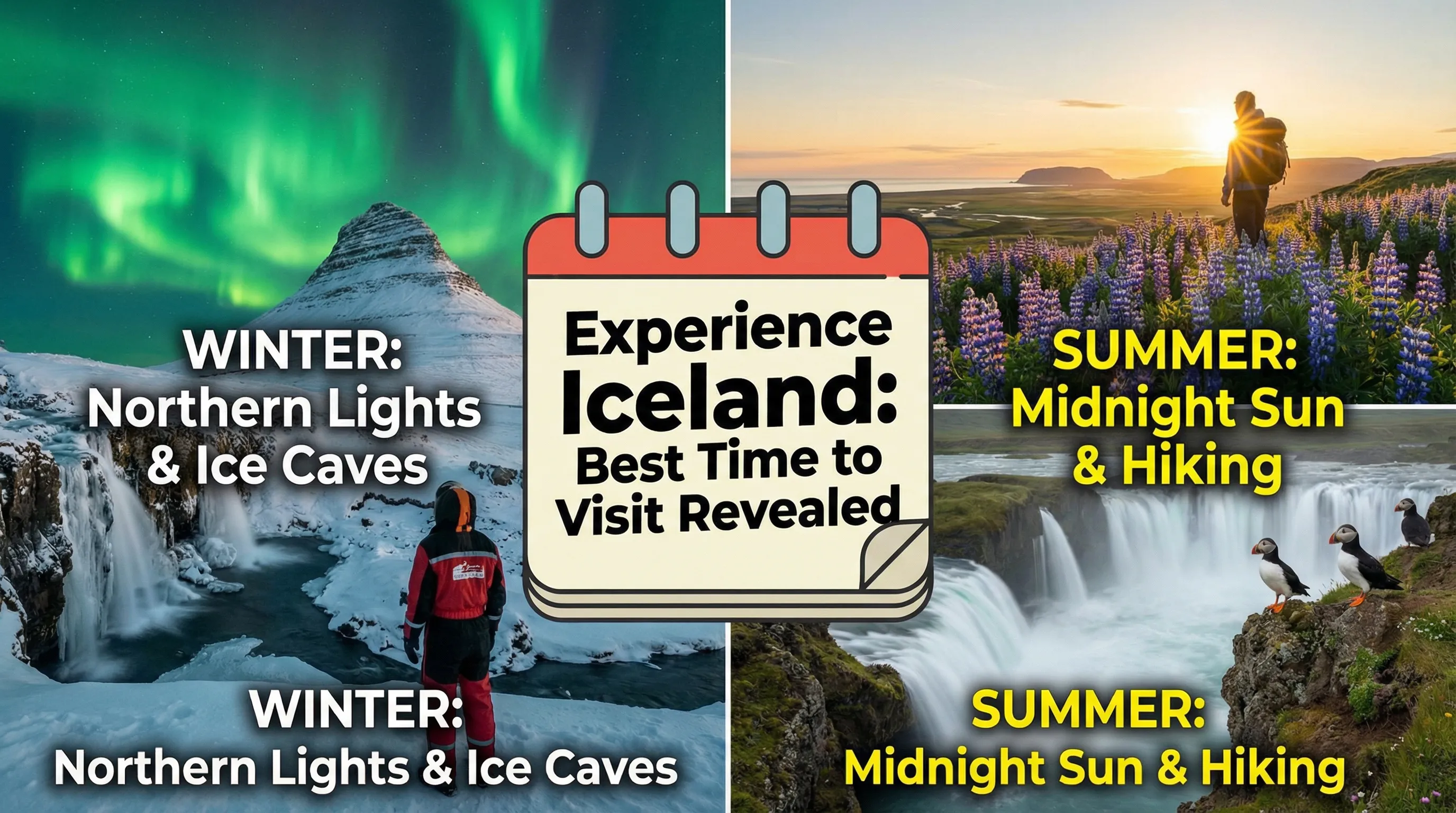
Imagine standing under a sky painted with the ethereal glow of the Northern Lights or dancing at a vibrant summer festival. Iceland offers these magical experiences and more. The best time to visit Iceland depends on what you seek. Summer, from June to August, boasts mild weather and endless daylight, perfect for outdoor adventures.
Meanwhile, the shoulder seasons of May and September provide moderate weather and fewer crowds, offering a more intimate exploration. Whether you're chasing the auroras or basking in the midnight sun, Iceland promises unforgettable memories.
Best Time to Visit Iceland
Choosing the best time to visit Iceland feels like picking the perfect moment to unwrap a gift. Each season offers its own unique charm and experiences.
Let's get into what each time of year has in store for you.
Summer (June to August)
Mild weather and extended daylight
Summer in Iceland is like a never-ending daydream. The sun barely sets, giving you up to 24 hours of daylight. This means more time to explore the stunning landscapes without the rush. Imagine hiking through lush green valleys or taking a leisurely stroll along black sand beaches under the midnight sun.
The mild weather, with temperatures ranging from 50°F to 60°F, makes it comfortable to enjoy outdoor activities.
Peak tourist season with numerous outdoor activities
Summer is the peak tourist season, and for good reason. The island buzzes with energy as travelers flock to experience its natural wonders. From whale watching in Husavik to exploring the Golden Circle, the options are endless. However, with popularity comes crowds.
Booking accommodations and tours in advance is essential to secure your spot in this Icelandic adventure.
Shoulder Seasons (May and September)
Moderate weather and fewer crowds
For those who prefer a quieter experience, the shoulder seasons of May and September offer a sweet spot. The weather remains pleasant, with temperatures hovering around 45°F to 55°F. You can enjoy the beauty of Iceland without the hustle and bustle of peak season tourists.
It's the best time to visit Iceland if you want to savor the serenity of its landscapes.
Opportunities for unique experiences
These months also bring unique opportunities. In May, you might catch the tail end of the puffin nesting season, while September offers a chance to witness the Northern Lights as the nights grow longer.
The landscapes transform with autumn colors, providing a picturesque backdrop for your adventures.
Winter (October to March)
Best time for Northern Lights
Winter in Iceland is a magical wonderland. The long, dark nights create the perfect canvas for the Northern Lights to dance across the sky. From October to March, you have the best chance to witness this natural spectacle.
Imagine standing in awe as vibrant greens and purples swirl above you, a memory that will last a lifetime.
Unique winter experiences and sports
Winter also brings a host of unique experiences. Ice cave explorations and glacier hikes offer thrilling adventures. For the more adventurous, skiing and snowboarding in the Icelandic highlands provide an adrenaline rush.
The crisp air and snowy landscapes create a winter wonderland that captivates the soul.
Activities and Events by Season
Exploring Iceland's seasonal activities feels like diving into a treasure chest of adventures. Each season offers its own unique experiences, and I can't wait to share them with you.
Winter Activities
Winter in Iceland transforms the landscape into a magical wonderland. The crisp air and snow-covered vistas create the perfect backdrop for unforgettable adventures.
Northern Lights tours
Imagine standing under a sky ablaze with the Northern Lights. The vibrant greens and purples dance across the heavens, leaving you in awe. I remember my first Northern Lights tour; it felt like stepping into a dream.
The guides shared fascinating stories about the auroras, making the experience even more enchanting.
Ice cave explorations
Ice caves are nature's frozen cathedrals. Walking through these shimmering blue tunnels is like entering another world. The formations change every year, so each visit offers something new.
I once explored an ice cave with a local friend, and we marveled at the intricate patterns carved by nature. It's an adventure you won't want to miss.
Summer Activities
Summer in Iceland is a time of endless daylight and vibrant energy. The landscapes burst with life, inviting you to explore their beauty.
Hiking and exploring national parks
Iceland's national parks are a hiker's paradise. Trails wind through lush valleys, past cascading waterfalls, and over rugged mountains. I spent two weeks hiking with a local friend, and every step revealed a new breathtaking view.
Whether you're a seasoned hiker or a casual walker, there's a trail for you.
Attending local festivals
Summer festivals in Iceland are a celebration of culture and community. From music festivals to traditional gatherings, there's always something happening. I attended a local festival where we danced under the midnight sun, surrounded by laughter and joy. It's a fantastic way to immerse yourself in Icelandic culture.
Travel Tips for Each Season
Traveling to Iceland is like embarking on a grand adventure. Each season brings its own set of challenges and delights.
Let me share some essential tips to ensure your journey is as smooth as the glacial ice.
What to Bring
Packing for Iceland requires a bit of strategy. The weather can be as unpredictable as a mischievous elf, so it's best to be prepared.
Winter Essentials
Winter in Iceland transforms the landscape into a snowy wonderland. To fully enjoy this magical season, pack these essentials:
Thermal Layers: Keep warm with thermal tops and bottoms. They act as a cozy barrier against the biting cold.
Waterproof Outerwear: Iceland's weather can be wet and wild. A waterproof jacket and pants will keep you dry during those unexpected snow showers.
Sturdy Boots: Ice and snow demand good footwear. Invest in insulated, waterproof boots with a solid grip.
Accessories: Don't forget a warm hat, gloves, and a scarf. These small items make a big difference in keeping you comfortable.
Summer Gear
Summer in Iceland offers endless daylight and mild temperatures. Here's what you'll need:
Light Layers: The weather can change quickly. Pack light layers that you can easily add or remove.
Rain Gear: Even in summer, rain can surprise you. A lightweight rain jacket will keep you dry without weighing you down.
Comfortable Shoes: Whether you're hiking or exploring Reykjavik, comfortable shoes are a must.
Sunglasses and Sunscreen: The sun never sets in summer. Protect your eyes and skin from the constant daylight.
Alternative Times to Visit
Ever thought about visiting Iceland when the crowds thin out and the prices drop? Off-peak travel might just be your golden ticket to a more intimate and affordable Icelandic adventure.
Let me take you through why this could be the best time to visit Iceland for you.
Off-Peak Travel Benefits
Fewer crowds and lower prices
Imagine wandering through Iceland's breathtaking landscapes without the hustle and bustle of peak season tourists. During the off-peak months, from November to April, you can experience the serene beauty of Iceland with fewer people around. This means less-crowded trails and better opportunities for those perfect photographs.
Plus, with fewer tourists, last-minute bookings become a breeze, allowing you to adapt your plans to the ever-changing Icelandic weather.
Traveling during these months also means you can enjoy Iceland on a budget. Flights, tours, accommodations, and rentals often come at significantly lower costs. This makes it an ideal time for those looking to explore Iceland without breaking the bank.
Here's a quick look at how off-peak travel can save you money:
Expense Type | Peak Season Cost | Off-Peak Season Cost | Savings Potential |
|---|---|---|---|
Flights | High | Lower | Up to 30% |
Accommodations | High | Lower | Up to 40% |
Car Rentals | High | Lower | Up to 25% |
Tours and Activities | High | Lower | Up to 20% |
Unique seasonal experiences
Off-peak travel doesn't just offer financial benefits; it also opens the door to unique seasonal experiences. The winter months, though shorter in daylight, provide a magical backdrop for witnessing the Northern Lights.
The long nights create the perfect conditions for this natural spectacle, painting the sky with vibrant colors.
Additionally, the off-peak season allows you to explore Iceland's winter wonderland. Ice caves, frozen waterfalls, and snow-covered landscapes offer a different kind of beauty that summer visitors miss. These experiences make the off-peak months arguably the best time to visit Iceland if you're seeking something truly special.
What Else to Know
Places That I Like
Iceland, a land of fire and ice, offers countless breathtaking locations. Let me share some personal favorites that you shouldn't miss.
Snaefellsnes Peninsula: This gem is often called "Iceland in Miniature" because it showcases the country's diverse landscapes. I once took a private jeep tour here, and it felt like stepping into a fairy tale. The quaint fishing villages, volcanic craters, and majestic waterfalls left me in awe.
Don't forget to meet the friendly Icelandic Horses along the way!
Glacier Adventures: Exploring the blue ice caves and crevices of a glacier is an experience like no other. I joined a guided hike with Arctic Adventures, and the beauty of the black sand beaches and towering waterfalls took my breath away. The weather can be challenging, but the thrill of adventure makes it worthwhile.
Hidden Waterfalls: On a trip with Encounter.is, I discovered a remote waterfall accessible only by ATV. The ride was exhilarating, and the sight of the cascading water was mesmerizing. It's a hidden treasure that offers a sense of solitude and wonder.
Volcanic Wonders: Iceland's volcanic landscapes are a must-see. I remember hiking a glacier and visiting volcanoes with a guide named Olof. The raw power of nature was palpable, and the unique experiences left a lasting impression.
Frequently Asked Questions
Traveling to Iceland can spark many questions. Here are some common inquiries and answers to help you plan your adventure.
What is the best time to see the Northern Lights?
The Northern Lights are most visible from October to March. During these months, the long, dark nights provide the perfect backdrop for this natural spectacle. Remember to check the aurora forecast for the best chances of witnessing the lights.
Is Iceland expensive to visit?
Iceland can be pricey, especially during peak tourist season. However, traveling during the off-peak months can help reduce costs. Flights, accommodations, and tours often come at lower prices, making it more budget-friendly.
What should I pack for a trip to Iceland?
Packing depends on the season. For winter, bring thermal layers, waterproof outerwear, and sturdy boots. In summer, pack light layers, rain gear, and comfortable shoes. Don't forget sunglasses and sunscreen for the endless daylight.
How can I travel around Iceland?
Renting a car offers the most flexibility for exploring Iceland's diverse landscapes. Alternatively, guided tours provide expert insights and hassle-free travel. Public transportation is available but may not reach all remote areas.
Iceland promises unforgettable experiences, whether you're chasing the Northern Lights or exploring hidden gems. With these tips and recommendations, you're ready to embark on an adventure of a lifetime.
Iceland, a land of contrasts, offers something for everyone. Whether you're drawn to the endless daylight of summer or the mystical Northern Lights of winter, the best time to visit Iceland depends on your desires. Summer invites you with its vibrant festivals and the magical midnight sun, while winter enchants with its serene, snow-covered landscapes.
Plan your adventure based on your interests and preferences. Ready to experience Iceland's wonders?
Start planning your trip today and book your travel arrangements to ensure an unforgettable journey.
