Portugal Travel Tips: Best Times to Go

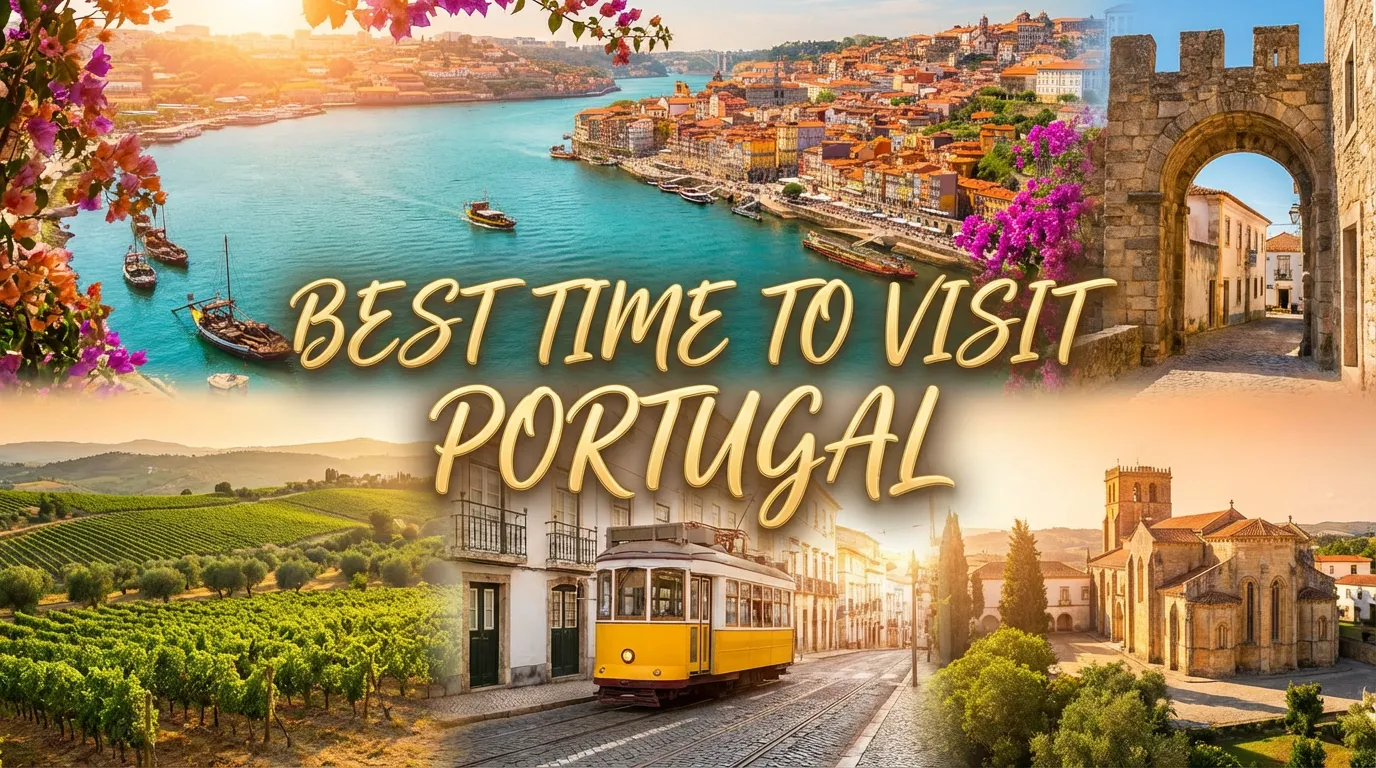
When planning a trip to Portugal, timing is everything. The best time to visit Portugal depends on what you want to experience. Spring and fall offer the perfect blend of pleasant weather and fewer tourists.
The Azores islands, including São Miguel Island and Faial Island, provide breathtaking views and unique experiences year-round. Porto, with its rich history and vibrant culture, is a must-visit.
The Azores Island Exploration offers a chance to discover hidden gems. Whether you're exploring Madeira Island or enjoying the scenic beauty of Ponta Delgada, Portugal promises unforgettable memories. So, pack your bags and get ready to travel!
Best Months to Visit
Choosing the right time to explore Portugal can make all the difference in your travel experience. Let's get into the best months to visit Portugal and what each season offers.
Spring (March to May)
Weather conditions and tourist density
Spring in Portugal feels like a breath of fresh air. The temperatures hover around the 70s, making it ideal for those who enjoy mild weather. You won't find the crowds overwhelming, which means more space to enjoy the sights. The clear skies and dry weather create perfect conditions for sightseeing.
Activities and experiences available
Spring invites you to explore Portugal's natural beauty. The blooming wildflowers paint the landscapes with vibrant colors. It's a great time for hiking and outdoor activities. You can wander through Lisbon's charming streets or take a scenic drive along the Algarve coast.
The cultural festivals during this time add a unique flavor to your visit.
Summer (June to August)
Weather conditions and tourist density
Summer brings warmth and sunshine to Portugal. Daytime temperatures range from 75ºF to 84ºF. This is the peak tourist season, so expect bustling beaches and lively cities. The warmest beaches beckon sun-seekers from around the world.
Activities and experiences available
Summer is all about enjoying the coast. Whether you're lounging on the beaches of Algarve or trying water sports, the options are endless. The long days provide ample time for exploration. You can savor fresh seafood at seaside restaurants or dance the night away at local festivals.
Just remember to book accommodations early, as this is a popular time to visit.
Fall (September to November)
Weather conditions and tourist density
Fall offers a more relaxed atmosphere. The temperatures cool down, making it comfortable for outdoor activities. Fewer tourists mean you can explore at your own pace. It's a great time to enjoy Portugal's natural beauty without the summer crowds.
Activities and experiences available
Fall is perfect for hiking and sightseeing. The vineyards come alive with harvest activities, offering wine enthusiasts a chance to indulge. You can explore the Douro Valley or take a leisurely stroll through Porto's historic streets.
The pleasant weather makes it an excellent time for cultural experiences and exploring hidden gems.
Winter (December to February)
Winter in Portugal offers a unique charm that many travelers overlook. I find this season perfect for those who enjoy a quieter, more intimate travel experience. The weather might not be as warm as in September or November, but it has its own appeal.
Weather conditions and tourist density
During winter, temperatures in Portugal range from 45ºF to 60ºF. While it might be chilly, especially in the northern regions, the southern parts like the Algarve remain relatively mild. Rain is more frequent, so packing a waterproof jacket is wise.
The tourist density drops significantly compared to the bustling months of September and November. This means you can explore popular sites without the usual crowds. Imagine having the iconic landmarks almost to yourself!
Activities and experiences available
Winter in Portugal doesn't mean you have to stay indoors. In fact, there are plenty of activities to enjoy. The festive season brings vibrant Christmas markets and New Year's celebrations. You can indulge in traditional Portuguese pastries like "Bolo Rei" while sipping on a warm "Ginjinha."
For those who love nature, the landscapes take on a different beauty. The Serra da Estrela mountains offer a rare opportunity for skiing in Portugal.
If you're a fan of cultural experiences, winter is a great time to visit museums and galleries. They are less crowded, allowing you to appreciate the art and history at your own pace. The Fado music performances in Lisbon provide an authentic taste of Portuguese culture.
And let's not forget the culinary delights. Winter is the perfect time to savor hearty dishes like "Caldo Verde" and "Feijoada."
Time to Visit Portugal
When planning a trip to Portugal, timing can make all the difference. I often find myself reflecting on the best times to visit this beautiful country. The right season can enhance your experience, whether you're exploring the Douro Valley or enjoying the vibrant culture of Lisbon.
Here's an overview of the best times to visit Portugal and explore some alternative options for those seeking a unique experience.
Overview of Best Times
Portugal offers something special in every season. However, spring and fall stand out as the most favorable times to visit. During these months, the weather is pleasant, and the tourist crowds are manageable.
Spring, from March to May, brings mild temperatures and blooming landscapes. It's an ideal time for outdoor activities like hiking in the Douro Valley or exploring the historic streets of Porto.
Fall, from September to November, offers a similar experience with cooler temperatures and fewer tourists. The Douro River Valley comes alive with harvest activities, making it a perfect time for wine enthusiasts to indulge in a Douro Valley experience.
Summer, from June to August, is the peak tourist season. The warm weather attracts sun-seekers to the beaches of Algarve and the lively streets of Lisbon. While it's a popular time to visit, the crowds can be overwhelming.
If you prefer a quieter experience, consider visiting during the shoulder seasons.
Alternative Time to Visit
Off-Peak Travel
For those who enjoy a more intimate travel experience, winter offers a unique charm. From December to February, Portugal experiences mild temperatures, especially in the southern regions. Lisbon averages around 14°C (57°F), while the Algarve enjoys slightly warmer weather at 16°C (61°F).
Although rain is more frequent, the tourist density drops significantly. This means you can explore popular sites without the usual crowds. Imagine wandering through the Douro Valley with the iconic landmarks almost to yourself!
Shoulder Seasons
The shoulder seasons, late spring and early fall, provide a perfect balance between favorable weather and fewer tourists. April to June and September to October are excellent times to visit Portugal and Spain.
During these months, you can enjoy the beauty of the Douro River without the summer rush. The Douro Valley offers breathtaking views and unique experiences, from wine tasting to scenic drives along the Douro River.
The cultural festivals and local events during these times add a special touch to your visit.
Festivals and Events
Portugal's vibrant culture comes alive through its festivals and events. These celebrations offer a glimpse into the country's rich traditions and lively spirit.
This has something for everyone, be it music, food, or history enthusiasts. Let's explore some of the major festivals and unique local events that you shouldn't miss.
Major Festivals
Description and timing of key festivals
Carnival (Carnaval): This colorful festival takes place in February or March, depending on the date of Easter. It's a time of parades, costumes, and parties. The most famous celebrations occur in Lisbon, Madeira, and the Algarve. The streets fill with music and dance, creating an electric atmosphere.
Festa de São João: Held in Porto on June 23rd, this festival is a must-see. Locals and tourists gather to celebrate with fireworks, music, and traditional grilled sardines. The highlight is the playful tradition of hitting each other on the head with plastic hammers.
Festa dos Tabuleiros: This unique festival happens every four years in Tomar, with the next one scheduled for 2023. It features a grand parade of women carrying trays of bread and flowers on their heads. The event symbolizes community spirit and unity.
NOS Alive Festival: For music lovers, this festival in Lisbon is a treat. It takes place in July and attracts international artists and bands. The lively atmosphere and stunning location make it a favorite among festival-goers.
Festival Name | Location | Month | Highlights |
|---|---|---|---|
Carnival | Lisbon | February/March | Parades, costumes, music |
Festa de São João | Porto | June | Fireworks, grilled sardines |
Festa dos Tabuleiros | Tomar | Every 4 years | Parade with bread and flowers |
NOS Alive Festival | Lisbon | July | International music performances |
Local Events
Unique local events to consider
Feira de São Mateus: This fair in Viseu runs from August to September. It's one of the oldest fairs in Portugal, offering a mix of concerts, exhibitions, and traditional food stalls. The lively atmosphere makes it a great family outing.
Festa da Flor: Held in Madeira in April, this flower festival celebrates the arrival of spring. The streets of Funchal transform into a floral wonderland with parades and displays. It's a visual feast that showcases the island's natural beauty.
Festa do Avante!: This cultural festival takes place in Seixal, near Lisbon, in September. It features music, theater, and art exhibitions. The event promotes social and political awareness, attracting a diverse crowd.
Festa das Cruzes: In Barcelos, this festival occurs in May. It includes religious processions, traditional music, and a vibrant market. The event reflects the town's deep-rooted traditions and community spirit.
These festivals and events offer a unique opportunity to immerse yourself in Portuguese culture. They provide a chance to connect with locals and experience the country's traditions firsthand. Whether you're dancing at a carnival or admiring a flower parade, these celebrations promise unforgettable memories.
What to Bring
Packing for a trip to Portugal can be an exciting part of the journey. I always find that having the right items makes the experience more enjoyable.
Here's some essential packing tips to ensure you're well-prepared for every season.
Seasonal Packing Tips
Clothing and accessories for each season
Spring (March to May): Spring in Portugal is mild and pleasant. I recommend packing light layers, such as t-shirts, long-sleeve shirts, and a light jacket. Comfortable walking shoes are a must for exploring cities like Lisbon and Porto. Don't forget sunglasses and a hat for sunny days.
Summer (June to August): Summer can get quite warm, especially in the Algarve. Lightweight clothing like shorts, tank tops, and sundresses will keep you cool. A swimsuit is essential for beach days. I also suggest a reusable water bottle to stay hydrated while exploring.
Fall (September to November): Fall offers cooler temperatures, so pack a mix of short and long-sleeve shirts. A medium-weight jacket or sweater will come in handy for cooler evenings. Comfortable shoes are important for walking through vineyards or historic sites.
Winter (December to February): Winter in Portugal is mild compared to other European countries, but it can still be chilly. I recommend packing a warm coat, scarves, and gloves, especially if you're visiting the northern regions. Waterproof shoes and a raincoat are wise choices due to occasional rain.
Essential Travel Items
Must-have items for a comfortable trip
Travel Adapter: Portugal uses Type C and F plugs, so a universal travel adapter is essential for charging your devices.
Portable Charger: A portable charger ensures your phone stays powered during long days of sightseeing.
Travel Insurance: It's always a good idea to have travel insurance for peace of mind. It covers unexpected events like medical emergencies or trip cancellations.
Guidebook or Travel App: A guidebook or travel app can provide valuable insights into local attractions, restaurants, and cultural events.
Reusable Shopping Bag: Many stores in Portugal charge for plastic bags, so a reusable shopping bag is both eco-friendly and practical.
First Aid Kit: A small first aid kit with essentials like band-aids, pain relievers, and antiseptic wipes can be a lifesaver.
Packing thoughtfully ensures you have everything you need for a memorable trip to Portugal. To fully savor your journey, whether you're wandering through Lisbon's lively streets or the tranquil scenery of the Douro Valley, preparation is key. Have a fantastic adventure!
Common Concerns
Traveling to a new country can be both exciting and a bit daunting. Portugal, with its rich history and vibrant culture, offers a welcoming atmosphere. However, like any destination, it's essential to be aware of common concerns to ensure a smooth and enjoyable trip.
Let's get into some practical tips for staying safe and healthy, as well as navigating language barriers.
Safety and Health
Tips for Staying Safe and Healthy
When I travel, safety and health always top my list of priorities. Portugal is generally a safe country, but it's wise to take some precautions. Here are a few tips that I've found helpful:
Stay Aware of Your Surroundings: In busy areas like Lisbon and Porto, keep an eye on your belongings. Pickpocketing can occur in crowded places, so I recommend using a money belt or a secure bag.
Emergency Numbers: Familiarize yourself with local emergency numbers. In Portugal, dial 112 for police, fire, or medical emergencies. It's always good to have this information handy.
Health Precautions: Portugal's healthcare system is excellent, but travel insurance is a must. It covers unexpected medical expenses. I also suggest carrying a small first aid kit with essentials like band-aids and pain relievers.
Stay Hydrated: The Portuguese climate can be warm, especially in summer. Drink plenty of water to stay hydrated. Tap water is safe to drink, so refill your bottle as needed.
Safety Tip | Description |
|---|---|
Stay Aware | Keep an eye on belongings in crowded areas |
Emergency Numbers | Dial 112 for police, fire, or medical emergencies |
Health Precautions | Have travel insurance and a first aid kit |
Stay Hydrated | Drink plenty of water, tap water is safe |
Language and Communication
Navigating Language Barriers
Language can be a barrier when traveling, but in Portugal, you'll find many people speak English, especially in tourist areas. Here are some tips to help you communicate effectively:
Learn Basic Portuguese Phrases: Knowing a few basic phrases can go a long way. Simple greetings like "Olá" (Hello) and "Obrigado" (Thank you) show respect and effort.
Use Translation Apps: Apps like Google Translate can be lifesavers. They help with quick translations and even offer voice features for pronunciation.
Body Language: Non-verbal communication is powerful. Gestures and facial expressions can convey your message when words fail.
Be Patient and Polite: Patience and politeness go a long way. Most locals appreciate the effort to communicate, even if it's not perfect.
Language Tip | Description |
|---|---|
Learn Basic Phrases | Use simple Portuguese greetings |
Use Translation Apps | Utilize apps for quick translations |
Body Language | Rely on gestures and facial expressions |
Be Patient and Polite | Show patience and politeness in communication |
By keeping these tips in mind, you can navigate Portugal with confidence. Whether you're exploring ancient ruins or majestic palaces, these insights will help you enjoy a seamless and enriching experience.
Transport Option | Description |
|---|---|
Public Transport | Trams, buses, metro; travel cards recommended |
Taxis and Ride-Sharing | Widely available; confirm fare beforehand |
Car Rentals | Book in advance; narrow roads in rural areas |
Cycling and Walking | Bike lanes and pedestrian-friendly areas |
Traveling in Portugal offers endless opportunities to immerse yourself in its culture and landscapes. Understanding local customs and opting for suitable transport will help you fully enjoy your time touring this gorgeous nation.
Enjoy every moment of your adventure!
Frequently Asked Questions
Traveling to Portugal often brings up a few common questions. I’ve gathered some of the most frequently asked ones to help you plan your trip with ease.
Common Inquiries
Answers to typical questions travelers have
What is the best time to visit Portugal?
The best time to visit Portugal is during spring (March to May) and fall (September to November). These seasons offer pleasant weather and fewer tourists. Summer is great for beach lovers, but it can get crowded.
Do I need a visa to visit Portugal?
If you're from the EU, USA, Canada, or Australia, you can enter Portugal without a visa for up to 90 days. Always check the latest visa requirements before traveling.
Is English widely spoken in Portugal?
Yes, especially in tourist areas like Lisbon and Porto. However, learning a few basic Portuguese phrases can enhance your experience and show respect for the local culture.
What currency is used in Portugal?
Portugal uses the Euro (€). Credit cards are widely accepted, but it's a good idea to carry some cash for smaller establishments.
